






Footwear accessories for safety footwear
High-quality safety footwear is only half the story – it’s only with the right footwear accessories that it can reach its full potential. In this comprehensive guide, you’ll learn everything about insoles, work socks, laces and care products that protect your work shoes, maximise your comfort and significantly extend the lifespan of your safety footwear.
Whether you’re looking for orthopaedic insoles for long working days, need the perfect sock for maximum moisture management, or want to know how to look after your safety footwear properly – this guide has all the answers. You’ll also discover how to apply to the pension insurance scheme for reimbursement of the cost of orthopaedic insoles.
Insoles: comfort and health for your feet
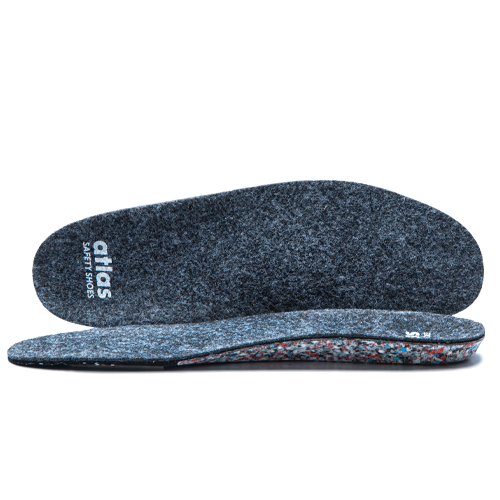
Why insoles are essential in safety footwear
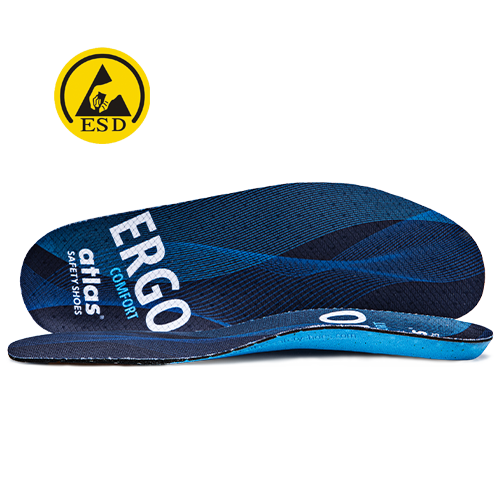
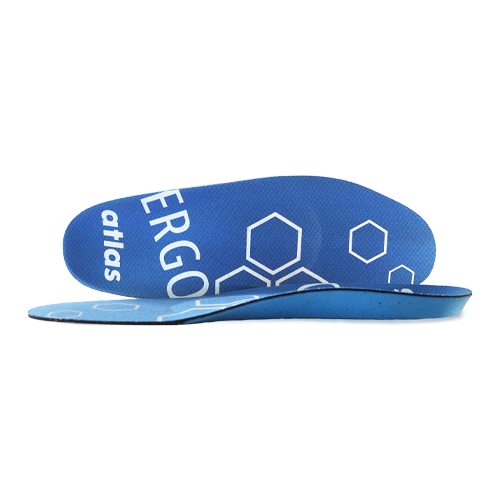
Insoles are far more than just an optional extra. During working days of 8–12 hours on hard floors or in extreme cold, your feet and joints are subjected to extreme strain. The right insole:
- Reduces strain on the joints through optimal cushioning
- Supports the foot’s natural alignment and prevents poor posture
- Regulates temperature and moisture inside the shoe
- Prevents pressure points and blisters
- Increases productivity by reducing fatigue
Important certification:
When choosing insoles for safety footwear, it is essential to ensure they carry EN ISO 20345 certification. Only certified insoles maintain the protective function of your safety footwear. Private, non-certified insoles can compromise the safety function and lead to liability risks.

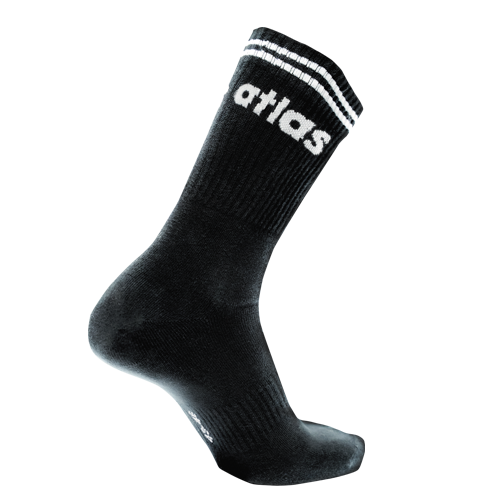
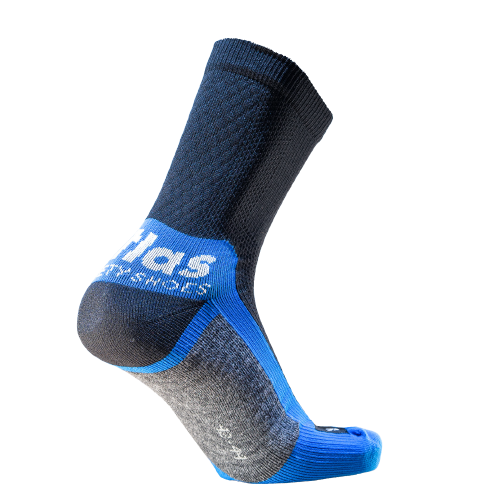
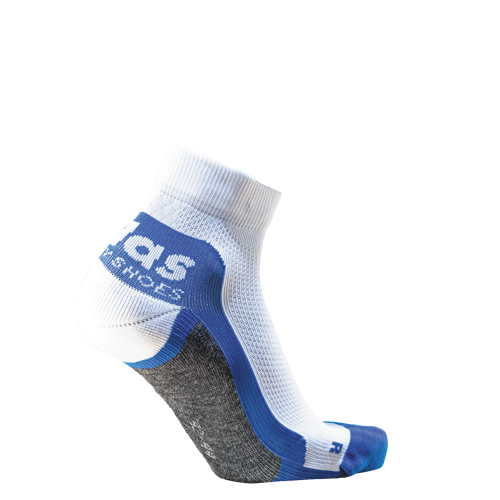
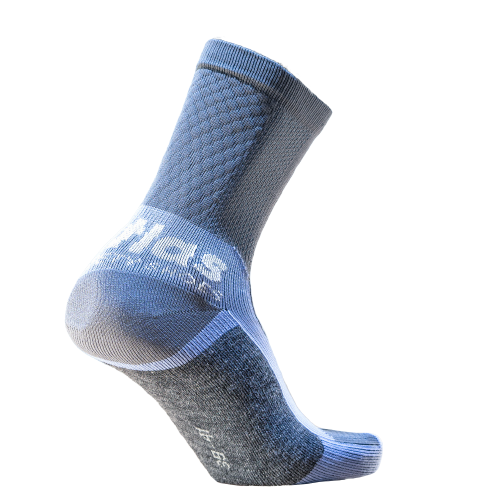
PERFORMANCE Workwear Sock – Maximum performance for active work
The Performance Sock is designed for dynamic tasks:
- Reinforcements in the toe and heel areas minimise friction
- A stretch midfoot section supports the muscles
- Mesh weave optimises moisture wicking
- Merino wool in the sole area for a soft feel underfoot
- Comfort Cuff with a highly elastic cuff
Material: 84% polyamide, 9% acrylic, 4% merino wool, 3% elastane
Ideal for: logistics, warehouse work, manual trades involving a lot of movement

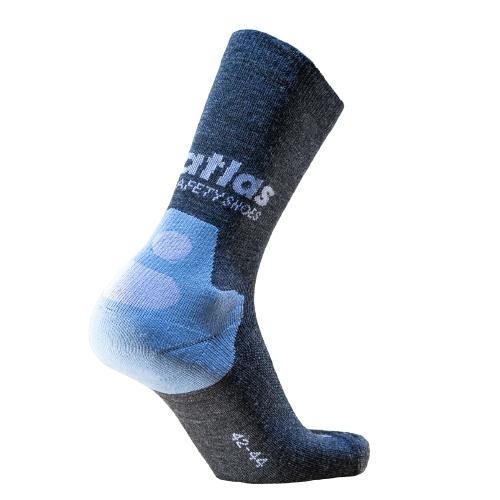
ALL SEASONS Workwear Sock – The all-rounder for all seasons
The All Seasons combines temperature regulation with maximum durability:
- Moisture-regulating thanks to a 30% merino wool blend
- Temperature-regulating for all seasons
- Reinforcements minimise friction
- Extra-soft seams for maximum comfort
- Highly elastic cuff prevents slipping
Material: 66% polyamide, 30% merino wool, 4% elastane
Ideal for: construction work, industry, fluctuating temperatures

SPORTY Workwear Sock – Ergonomic design for narrow feet
Specially optimised for the shape of the female foot, but also suitable for men with narrow feet:
- Slim fit for narrow feet
- A firm midfoot area relieves pressure on the muscles
- Double-layered reinforcements cushion the toes and heels
- Breathable mesh construction
- A cut-out at calf height prevents constriction
Material: 84% polyamide, 9% acrylic, 4% merino wool and 3% elastane
Ideal for: construction work, industrial settings, fluctuating temperatures

Merino wool is the ideal material for work socks:
Temperature regulation:
- Keeps you warm in winter, cool in summer
- Automatically regulates body temperature
- Prevents heat build-up in safety footwear
Moisture management:
- Absorbs up to 30% moisture without feeling wet
- Wicks sweat away from the skin
- Dries faster than cotton
Odour neutrality:
- Naturally antibacterial
- Effectively prevents odours from forming
- Less frequent washing required
Durability:
- Elastic and retains its shape
- Abrasion-resistant
- Longer lifespan than pure cotton socks
Sock care for maximum lifespan
Washing instructions:
- 30–40°C on a gentle cycle
- Wash inside out
- No fabric softener (this impairs moisture regulation)
- Air-dry where possible
Frequency:
- Change daily for optimum hygiene
- In cases of heavy use: change 2 pairs per shift
- At least 5–7 pairs in rotation

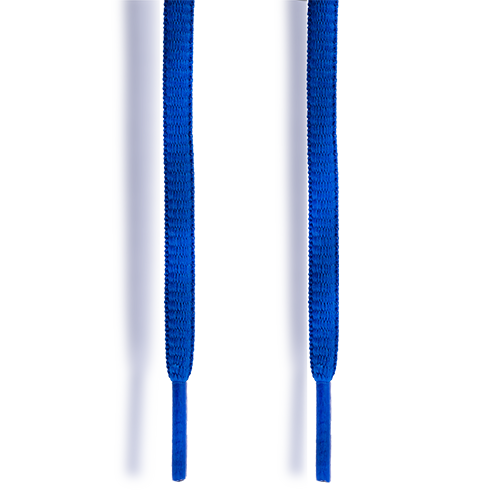
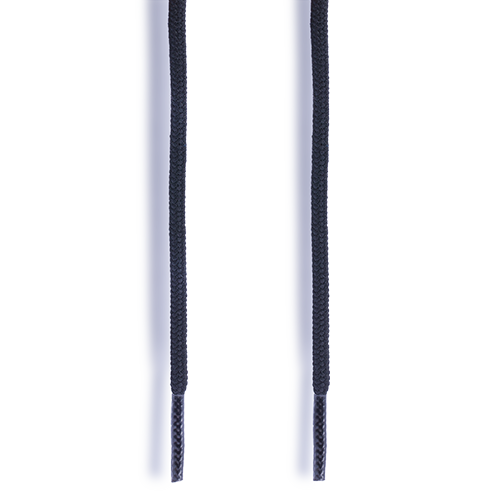
Shoelaces: More than just a detail
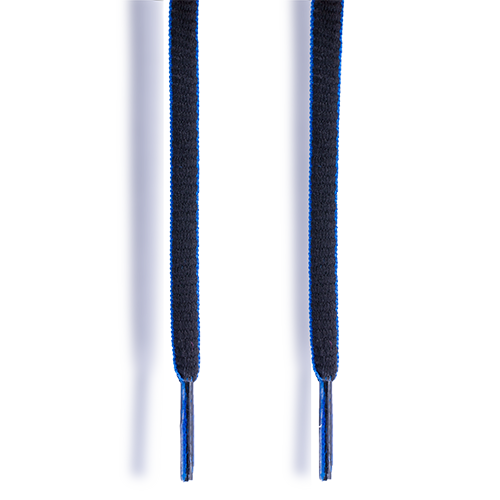
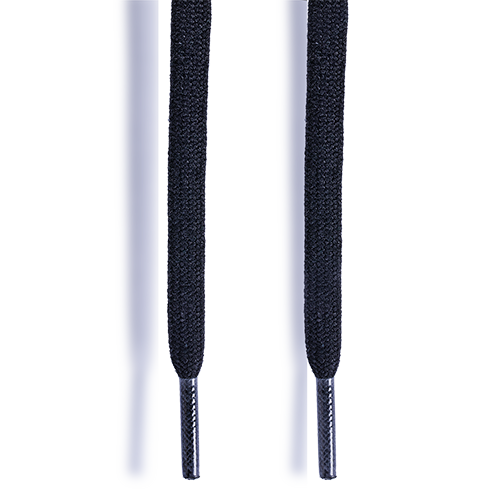
The right length of laces for your shoes
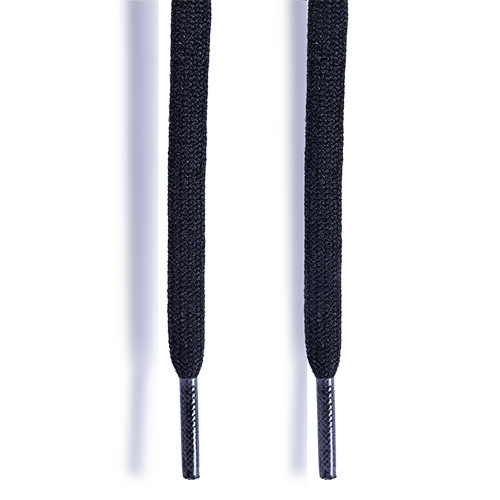
- For classic low shoes with 4–5 pairs of eyelets
- Ideal length for a secure bow
- Available in Black, Blue, Green, White
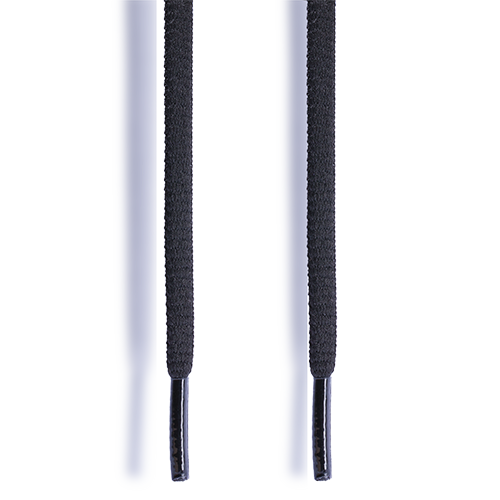
SENKEL FLASH Low-top Shoes 115 cm:
- For sporty low-top trainers with 5–6 pairs of eyelets
- Reflective FLASH version for improved visibility
- Colour options: Black, Blue, Green, Grey
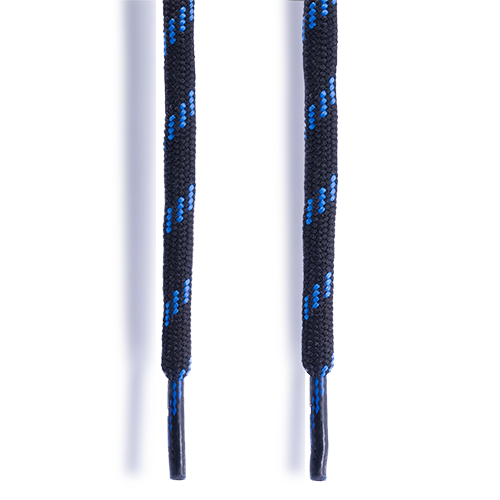
- For mid-height boots with 6–7 pairs of eyelets
- Sturdy construction for building sites
- Extra tear-resistant
- For high boots with 8–9 pairs of eyelets
- Available in Black and Blue
- Reinforced ends
- For very tall winter boots
- Cold-resistant material
- Extra length for thick gloves
- For low-top city trainers
- Elegant design
- Thinner profile

Shoe care: an investment in longevity
Why professional shoe care is essential
Leather safety shoes require regular care in order to:
- maintain waterproofing
- Keep the leather supple
- Prevent cracking
- Double their lifespan
- Preserve their appearance
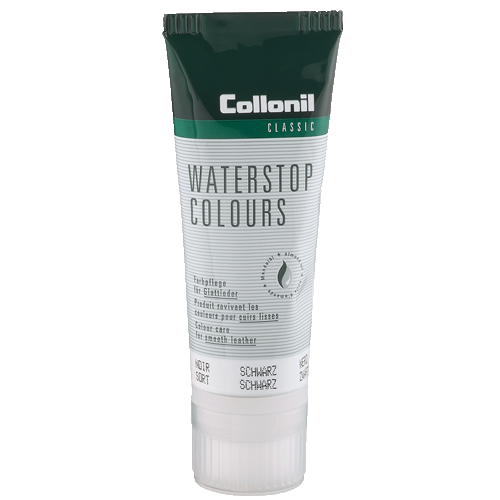
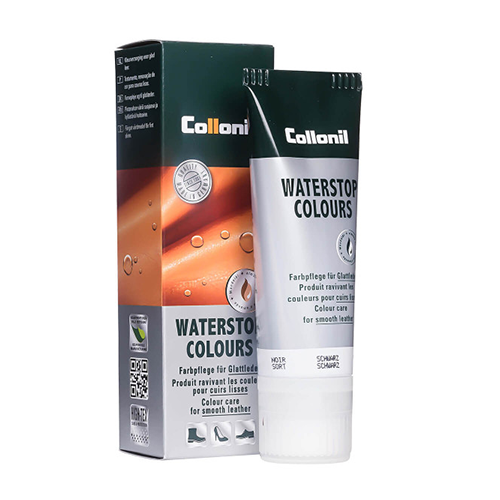
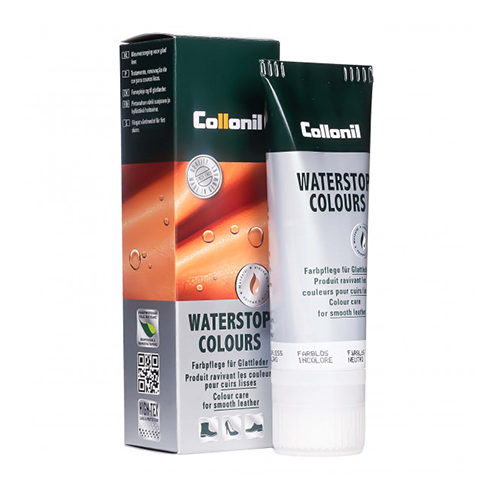
The ATLAS WATERSTOP care programme
WATERSTOP 75ml Leather Care Cream:
Available in two versions:
- Colourless: For all light-coloured leathers
- Black: For black leather, with colour refreshment
Directions for use:
- Clean the shoes and leave them to dry
- Apply a thin, even layer
- Rub in with a soft cloth
- Leave to soak in for 15 minutes
- Polish to a shine
Frequency: Every 2–4 weeks, depending on wear and tear
WATERSTOP GORE-TEX Care Cream:
Specially developed for GORE-TEX safety footwear:
- Preserves the breathability of the membrane
- Waterproofs the outer leather without blocking the pores
- Black, 75ml
- Prevents water from ‘seeping through’
Important: Conventional care products can clog GORE-TEX membranes!
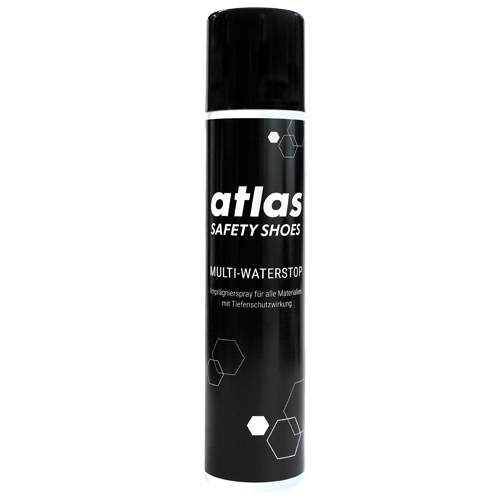
MultiWaterstop Water-Repellent Spray:
The all-in-one solution for all materials:
- 200ml spray bottle
- Nanotechnology for deep-penetrating protection
- Suitable for leather, textiles and synthetics
- Water-repellent and stain-resistant
- Preserves breathability
Directions for use:
- Spray evenly from a distance of 20–30 cm
- Be particularly thorough on textile areas
- Leave to dry (15 minutes)
- Apply a second coat if necessary
Frequency: Monthly or after every wet cleaning
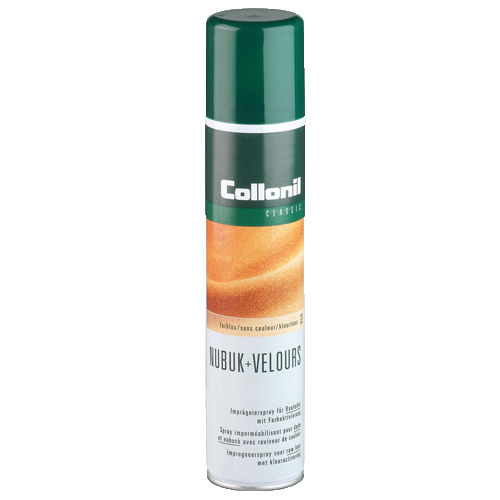
For suede and nubuck leather:
- Refreshes the colour
- Conditions without leaving a sticky residue
- Preserves the characteristic feel
- Spray can for easy application
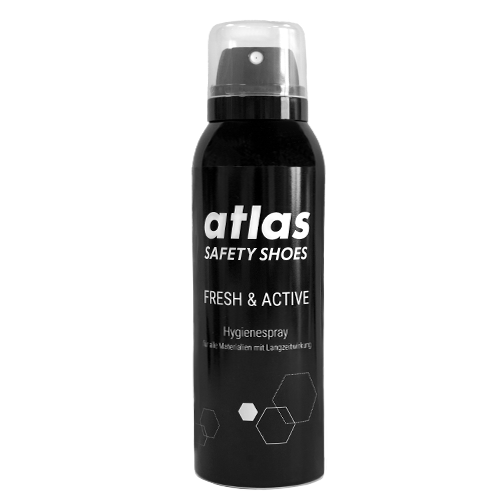
Features:
- 125ml spray bottle
- Long-lasting protection against odours
- Antibacterial formula
- Fresh scent
Directions for use:
- Spray inside the shoe
- Pay particular attention to the insole and lining
- Allow to dry before wearing again
- Use daily or as required
Ideal for:
- Long shifts
- Warm working environments
- Shoes that cannot be washed every day
- Preventative odour control
Why do I need special insoles in safety shoes?
What is the difference between orthopaedic insoles and standard insoles?
Can I use orthopaedic insoles in safety sandals?
Which insole is right for me?
First, determine your foot type:
- Normal foot: BLUE MEDIUM
- Fallen arches/flat feet: GREEN LOW
- High-arched foot: RED HIGH
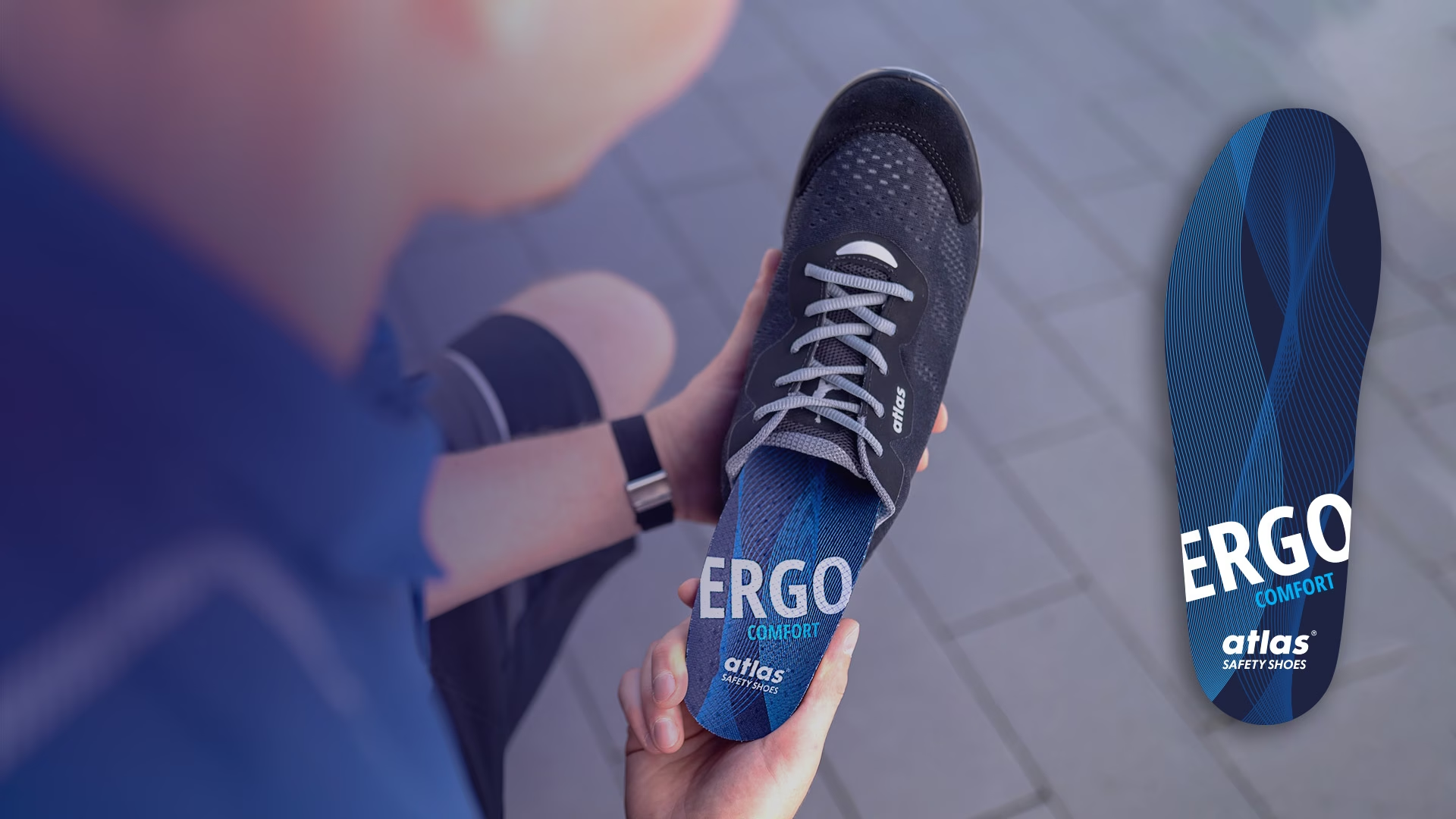
- Maximum comfort: ERGO COMFORT or ERGO PRO
If you have any existing foot problems, consult an orthopaedic specialist and request certified insoles
How often should I change my work socks?
Why are specialised work socks better than normal socks?
Work socks offer:
- Reinforced areas to protect against friction (heel, toes)
- Better moisture-wicking
- Temperature regulation thanks to merino wool
- Antibacterial properties to combat odours
- Anatomical fit for an optimal fit in safety footwear
Ordinary leisure socks cannot withstand the stresses of everyday working life and quickly lead to blisters and odours.
How often do I need to look after my safety shoes?
Leather safety shoes:
- Treat every 2–4 weeks with WATERSTOP cream
- Waterproof monthly with MultiWaterstop
- Clean immediately after any contact with salt or chemicals
Textile safety shoes:
- Clean weekly with a brush
- Waterproof monthly
- Use a hygiene spray if necessary
GORE-TEX footwear:
- Use only special GORE-TEX care products
- Do not use creams containing oil (they block the membrane)
What length of laces do I need?
Count the pairs of eyelets on your shoes:
- 4–5 pairs of eyelets: 105 cm (low shoes)
- 5–6 pairs of eyelets: 115 cm (low shoes/mid-calf boots)
- 6–8 pairs of eyelets: 140 cm (high boots)
- 8–10 pairs of eyelets: 145 cm (winter boots)
If in doubt: measure your old laces or choose one size longer.
Do I need to use special laces when carrying out welding work?
Can I wash insoles and care products in the washing machine?
Insoles: Hand wash only, using a mild detergent! Machine washing will damage the cushioning properties and distort the shape. Leave to air dry; never place on a radiator.
Care products: These are not washable. Clean the shoes with a leather cleaner or a damp cloth, then apply care products and waterproof them.
How do I know when I need to replace my insoles?
Exchange signals:
- Visible reduction in damping
- Cracks or holes in the material
- Persistent odour despite cleaning
- Pain in the feet or joints
- After 6–12 months of intensive use
Replace as a precaution before any discomfort arises. Insoles lose their effectiveness over time, even if they still look fine.