



Buying safety sandals: The ultimate guide to breathable work shoes
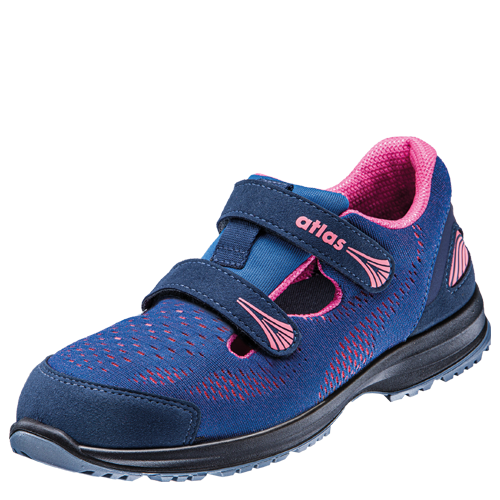
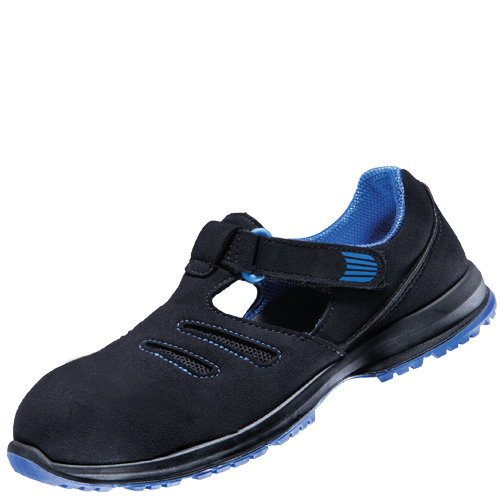
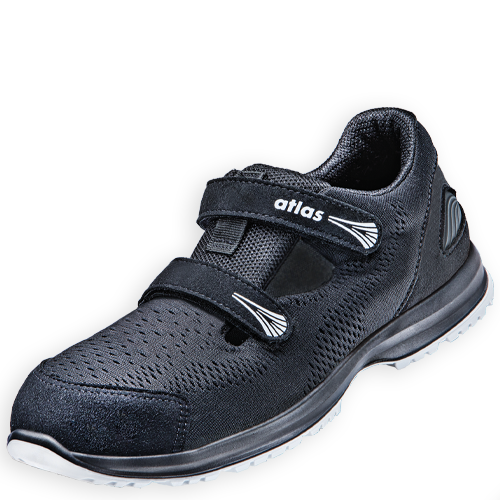
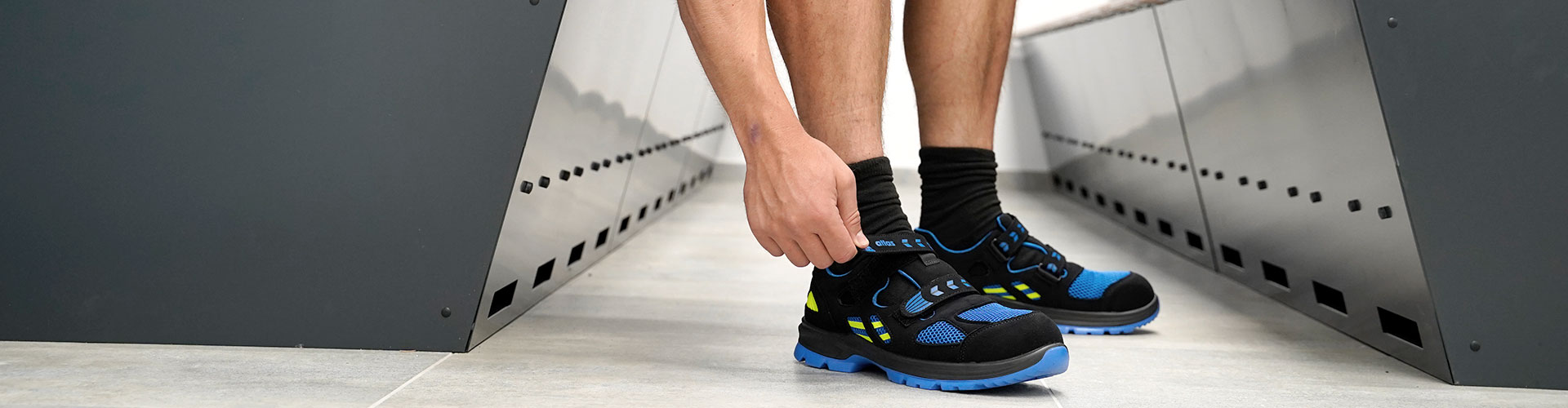
As temperatures rise and working days get longer, your feet long for freedom and fresh air. Safety sandals are the perfect solution for anyone who doesn’t want to compromise on professional foot protection, even when carrying out strenuous work. In this comprehensive buying guide, you’ll learn everything about ATLAS’s breathable work footwear – from the robust SL models and the innovative FLASH series right through to the sporty RUNNER sandals.
Discover how modern safety sandals featuring the clima-stream® concept, the MPU INNOFLEX system and ESD features strike the perfect balance between maximum protection and optimum comfort. We’ll show you the differences between S1 and S1P classifications, explain key technologies such as XP puncture resistance, and guide you through the wide range of applications – from the logistics warehouse to the production line.
What are safety sandals? The breathable alternative
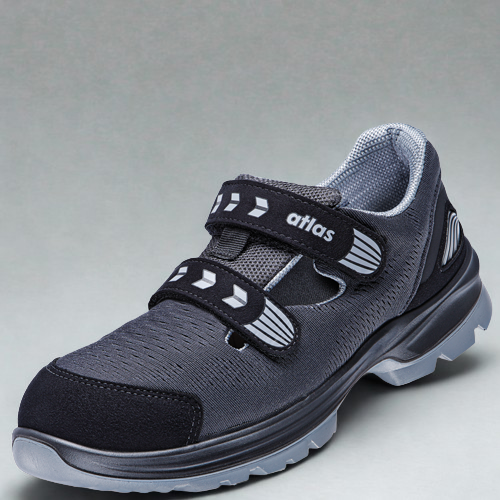
Definition and Distinction
Safety sandals are specially designed work shoes with open areas in the upper which, despite their breathable design, meet the requirements of EN ISO 20345. Unlike conventional sandals, they feature:
Mandatory features according to the standard:
- Closed heel area (distinguishing feature from SB class)
- Toe cap (200 joules impact resistance) Slip-resistant sole (SRC certification) Antistatic properties
- Energy absorption in the heel area
ATLAS special features:
- clima-stream® ventilation system
- aktiv-X functional lining
- ESD-compliant features
- Orthopaedic insoles in accordance with DGUV 112-191

Advantages over closed-toe safety shoes
Climate control:
- Up to 40% better air circulation
- Reduced perspiration
- Reduced odour build-up
- Faster moisture wicking
Comfort in summer:
- No heat build-up at temperatures above 25°C
- Lighter weight (on average 20% lighter)
- Greater freedom of movement
- Reduced fatigue during long working days
Understanding safety classes: S1, S1P and O1 in detail
S1 safety sandals – The all-rounder for dry environments
Normative requirements in accordance with EN ISO 20345:
- Basic requirements (SB) met
- Antistatic (A)
- Energy absorption in the heel area (E)
- Fuel-resistant sole (FO)
- Closed heel area
ATLAS S1 models in focus:
- SL 46 ESD S1: SportLine upper, alu-tec aluminium toe cap
- FLASH 1600 ESD: Mesh upper for maximum breathability
- FLASH 4600 ESD: Carbon fibre-reinforced toe protection
Ideal areas of use:
- Warehouses and logistics centres
- Industrial assembly areas
- Workshops without flying metal shavings
- Interior areas of the automotive industry
S1P safety sandals – with puncture protection for greater safety
Additional features for the S1 class:
- Puncture-resistant midsole (P)
- Protection against sharp objects up to 1,100 newtons
- Modern XP technology (metal-free) from ATLAS
ATLAS S1P Premium Range:
- SL 265 XP ESD: MPU INNOFLEX system with XP puncture resistance
- SL 465 XP ESD: Top seller with MPU toe protection
- FLASH 1605 XP ESD: Alu-tec toe cap and XP protection
- RUNNER 145 XP: SPORTY sole system for dynamic work
- ERGO-MED 1605 ESD blueline: Additional orthopaedic features
Extended areas of application:
- Peripheral areas of construction sites
- Recycling centres
- Joinery and carpentry workshops
- Metalworking workshops
O1 work shoes – The lightweight version without toe protection
Characteristics of the O1 class according to EN ISO 20347:
- No toe protection required
- Antistatic properties
- Energy absorption in the heel area
- Non-slip sole
ATLAS O1 highlight:
- BS 46 ESD O1 work boot: For work where there is no risk to the toes
Suitable for:
- Medical sectors
- Cleaning services
- Light assembly work
- Service professions
Care and maintenance for maximum service life
Daily skincare routine
After every working day:
- Remove coarse dirt with a brush
- Remove any fluff from the Velcro fastenings
- Remove the insoles and air them out
- Leave the sandals to dry in a well-ventilated place
Important things to avoid:
- Do not place near a radiator
- No tumble dryers or hairdryers
- No harsh cleaning products
- Do not dry in direct sunlight
Weekly intensive care
Cleansing:
- Lukewarm water with neutral soap
- Soft brush for mesh materials
- Microfibre cloth for SportLine upper material
- Clean the soles with a toothbrush
Disinfection (if necessary):
- Use a special shoe disinfectant
- Spray the interior thoroughly
- Leave to dry for at least 24 hours
Maintenance and wear checks
Monthly inspection:
- Check tread depth (min. 3mm)
- Test the Velcro fastening
- Check seams for damage
- Check the integrity of the protective caps
Replacement criteria:
- Worn-through sole
- Damaged toe cap
- Defective puncture resistance
- Loss of antistatic properties
Off-season storage
Optimal storage:
- Clean thoroughly and dry
- Stuff with newspaper
- In a shoe box or cloth bag
- A dry, dark storage place
- Silica gel sachets to protect against moisture
Size guide and fit optimisation
Finding the right size
ATLAS sizing system:
- Standard sizes: 36–48 (standard width 10)
- Plus sizes: 49–52 (on request)
- Special widths: Width 11 (wide), Width 12 (extra wide)
- Women’s styles: Special last shape
Measuring instructions:
- Take measurements in the afternoon (feet are slightly swollen)
- Measure whilst wearing work socks
- Measure both feet (they are often different)
- Calculate the allowance: add 10–12 mm to the foot length
Adjustments for different foot types
Narrow feet:
- Choose styles with extra lacing
- Use thicker insoles
- Opt for the SL series with SportLine material
Wide feet:
- ERGO-MED series in widths 11 or 12
- Mesh uppers for flexibility
- Use adjustable Velcro fastenings
High instep:
- Sandals are ideally suited
- Maximum opening of the Velcro fastening
- FLASH series with flexible mesh
Insoles and orthopaedics
DGUV 112-191 compliance:
- All ATLAS sandals are suitable for insoles
- Removable comfort insole
- Ample interior space
- Neutral heel-to-toe drop
Orthopaedic adaptations:
- ERGO-MED range specially designed
- Collaboration with orthopaedic shoemakers
- Customised fittings available
How can I find out the width of my Atlas shoes?
The best way to determine the ideal width for your Atlas safety shoes is using the Mondopoint method. This internationally recognised measurement method takes into account not only the length but also the width of the foot to ensure the best possible fit.
To determine the correct width, the circumference of the foot is measured at the widest point of the ball of the foot. Based on these measurements, the appropriate shoe width can then be determined using the Mondopoint system.
What can I do if the shoe is too big or too small?
A perfect fit is crucial for comfort, safety and long-term wellbeing – especially with shoes that are worn for many hours every day.
To ensure you feel completely comfortable in your Atlas safety shoes, we recommend exchanging them for a better fit if necessary. A shoe that fits perfectly not only ensures maximum stability and protection, but also reduces the risk of pressure points, fatigue and discomfort.
Take advantage of our simple exchange service to find a style or size that’s perfectly suited to your needs. We’re also happy to advise you on choosing the right size and width so that you can find the best shoes for your everyday working life.
To return an item, please use the link: https://atlas.shop/ruecksendung and follow the instructions provided.