

Winter boots for extreme conditions: The ultimate buying guide to safety footwear for winter
When temperatures drop and working conditions become harsher, a high-quality pair of winter safety boots is more than just protective kit – they are your reliable ally against the cold, wet and winter hazards. In this comprehensive buying guide to winter boots, you’ll learn all about CI cold insulation, waterproof GORE-TEX technologies, non-slip outdoor soles and the tried-and-tested winter models in the ATLAS range – from the robust ANATOMIC BAU 845 XP to the state-of-the-art GTX 985 XP THERMO with BOA system.
We’ll show you how to find the perfect winter boot for your specific needs: from the right insulation and innovative fastening systems right through to industry-specific safety standards. Discover the differences between faux fur and GORE-TEX thermal linings, the importance of CI certification in accordance with EN ISO 20345, and why the right sole tread pattern can be vital in ice and snow.
CI thermal insulation: The heart of every winter boot

What does CI mean and why is it important?
CI stands for ‘Cold Insulation’ and is one of the most important additional requirements of the EN ISO 20345 standard for safety footwear. This certification guarantees that your feet remain warm and protected even in extreme sub-zero temperatures:
Technical requirements:
- Tested at -17°C for at least 30 minutes
- The temperature rise inside the shoe must not exceed 10°C
- Insulation of the entire sole assembly against ground cold
- Retention of natural body heat
ATLAS CI models at a glance:
- ANATOMIC BAU range: Classic CI insulation with woven fur lining
- GTX THERMO series: Premium CI insulation with GORE-TEX thermal lining
- XR THERMO range: Reinforced CI insulation for extreme conditions

The difference between CI and standard insulation
Whilst standard safety footwear offers only limited protection against the cold, CI-certified winter boots provide:
Measurable benefits:
- Up to 40% better thermal insulation than standard models
- Active protection against frostbite and cold-related injuries
- Maintenance of work performance at low temperatures
- Reduction in cold-related sick days
Materials science: From faux fur to GORE-TEX thermal lining
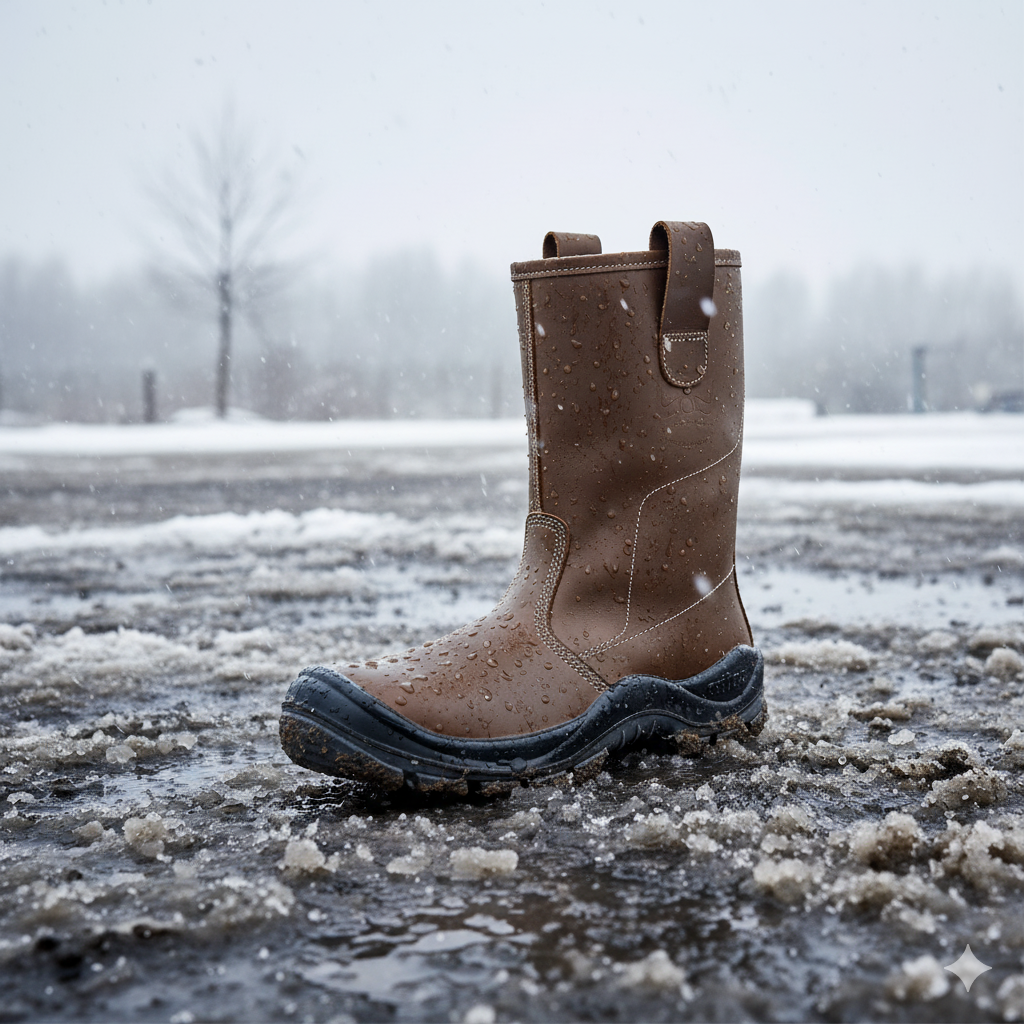
Woven fur lining – the tried-and-tested classic
Traditional woven fur lining has been the standard in the winter footwear industry for decades:
Features:
- Dense fibre layer with high air retention
- Natural moisture regulation
- Robust and durable construction
- Weight: 180–220 g/m²
- ATLAS models: ANATOMIC BAU 825 XP, 845 XP
Advantages of the woven fur lining:
- A more cost-effective alternative to high-tech materials
- Proven insulation performance at temperatures between -10°C and -20°C
- Easy to care for and hard-wearing
- Ideal for: construction work, warehouse logistics, winter maintenance

GORE-TEX Thermal Lining – Premium Technology
GORE-TEX thermal lining represents the very best in insulation technology:
Technical specifications:
- 4-layer laminate with thermal insulation
- 100% waterproof yet breathable
- Insulation performance down to -30°C
- Weight: just 150–180 g/m²
- ATLAS Premium models: GTX 945 XP THERMO, GTX 985 XP THERMO
The GORE-TEX advantage:
- Permanently waterproof thanks to a microporous membrane
- 9 times more breathable than conventional materials
- Quick-drying and odour-resistant
- Reduced weight with enhanced performance
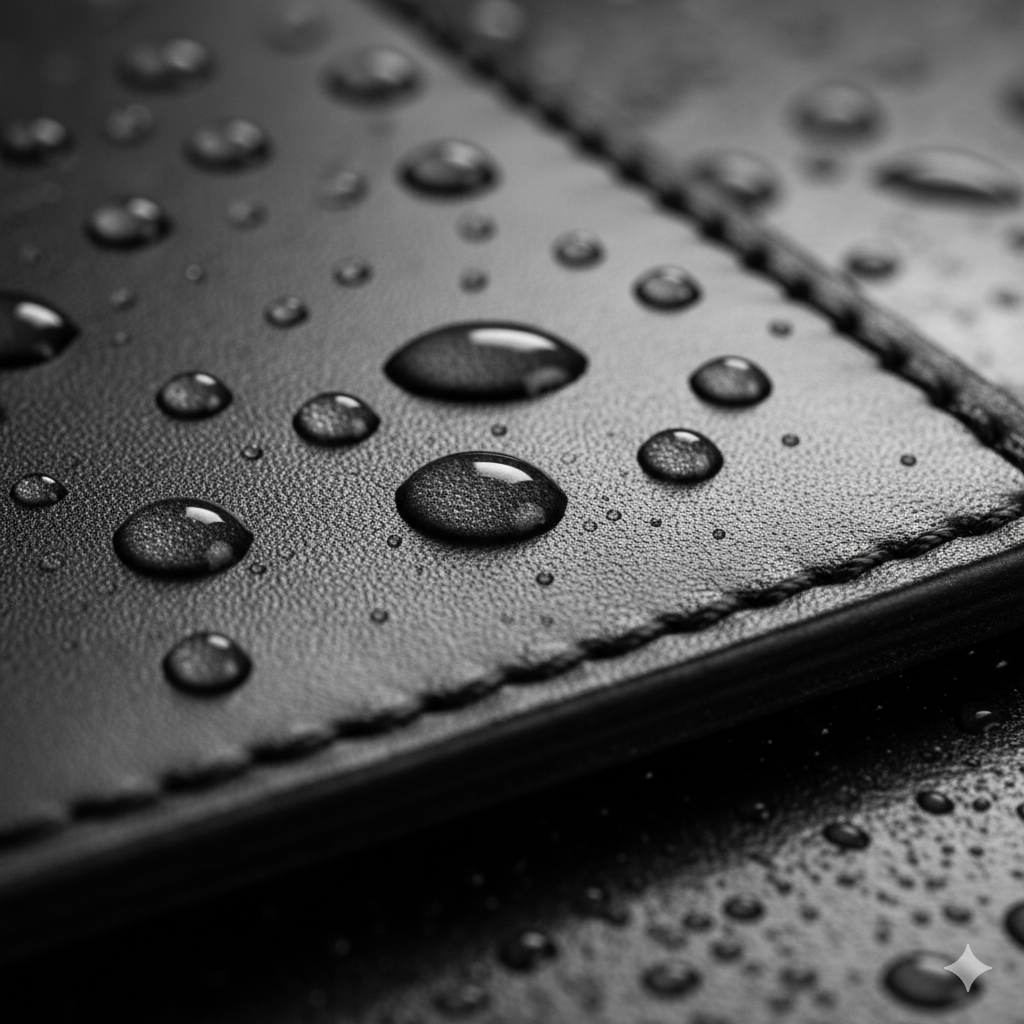
Waterproof smooth leather – The durable outer layer
All ATLAS winter boots are made from high-quality waterproof smooth leather:
Material specifications:
- Thickness: 2.0–2.4 mm full-grain leather
- Water-repellent surface with the ‘lotus effect’
- Abrasion resistance: >50,000 Martindale cycles
- Breathability despite waterproofing
Care and maintenance of winter boots
Daily care in winter
After each use:
- Brush off coarse dirt (dry)
- Remove any remaining road salt with a damp cloth
- Remove the insoles and dry them separately
- Leave the boots to dry at room temperature (never on a radiator!)
Deep clean
Monthly deep clean:
- Lukewarm water with leather shampoo
- A soft brush for seams and creases
- Gore-Tex: Use a specialised cleaner
- Water-repellent treatment after drying
Storage during the summer season
Optimal storage:
- Clean thoroughly and dry
- Stuff with newspaper
- Store in a cool, dry place
- Protect from sunlight
- Store in a cloth bag
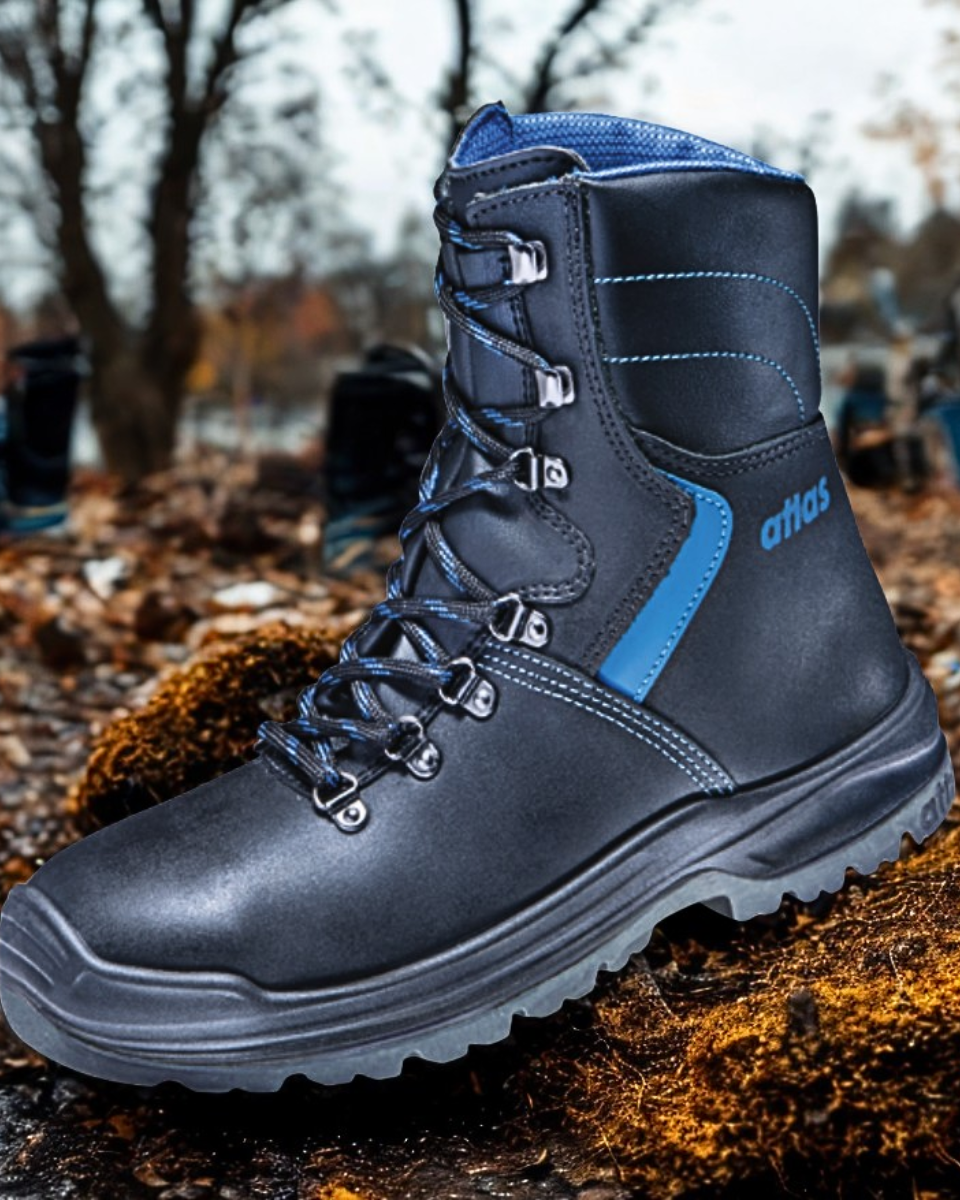


Choosing the right size and fit for winter boots
Special features of winter boot sizes
Bear in mind the need for extra space:
- Thermal socks require a size 0.5–1 larger
- Allow for an air cushion to act as an insulating layer
- Toe mobility is important for blood circulation
- Take into account swelling caused by changes between cold and warm temperatures
ATLAS size recommendation for winter:
- Normal size 44 → winter boots size 45
- With thick insoles: +1.5 sizes
- If using orthopaedic insoles: adjust individually
The perfect fit
Checklist for the best fit:
- Toe room: At least 1 cm of space
- Heel test: No slipping whilst walking
- Ankle support: Upper not too tight, not too loose
- Flex test: Natural rolling motion possible
- Pressure points: None, even when wearing thick socks
use our ATLAS size guide.
Industry-specific requirements
Construction and trades
Requirements profile:
- S3 CI SRC minimum standard
- Puncture resistance essential
- Overcap for durability
- Deep lug pattern for uneven terrain
ATLAS recommendation: ANATOMIC BAU 845 XP S3 CI
Logistics and warehouse work
Special requirements:
- Frequent temperature changes (cold store/outdoor areas)
- Long periods spent standing
- Forklift operations
ATLAS recommendation: XR 845 XP THERMO S3 CI with MPU cushioning
Outdoor installation and the energy sector
Extreme conditions:
- Working in all weathers
- Often no facilities for warming up
- Highest insulation requirements
ATLAS recommendation: GTX 985 XP THERMO S3 CI with BOA
Local authority services and winter maintenance
Specific challenges:
- Exposure to road salt
- Long hours of use
- Varying terrain
ATLAS recommendation: GTX 945 XP THERMO S3 CI with zip fastening