



Buying safety low-top shoes: The ultimate guide to lightweight and safe work shoes
Safety low-cut shoes are the most popular type of work footwear in Germany – and for good reason. Whilst safety boots excel in extreme conditions, low-cut shoes stand out thanks to their unbeatable combination of protection, comfort and flexibility. In this comprehensive guide, we’ll show you what really matters when making your choice: from the various safety classes – S1, S1P, S2 and S3 – to innovative fastening systems such as BOA, right through to special features such as ESD protection and orthopaedic suitability.
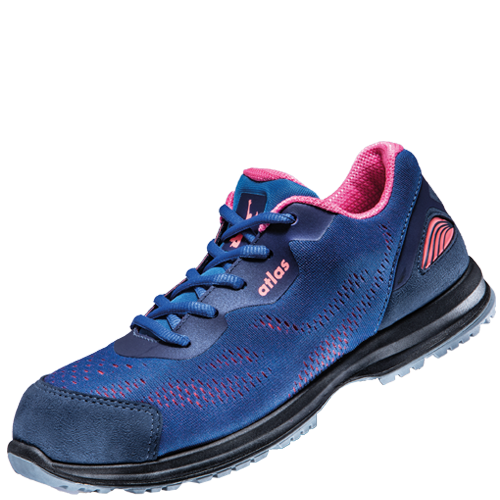
At ATLAS, you’ll find over 100 different low-cut shoe models, varying in material, features and intended use. Whether you’re looking for an ultra-lightweight S1P shoe for logistics, need a robust S3 low-top shoe for the construction industry, or require a sporty ESD shoe for electronics manufacturing – this guide will lead you straight to the perfect model. Discover the differences between our tried-and-tested ranges such as FLASH, RUNNER and SL, as well as the benefits of state-of-the-art technologies such as EXTRAGUARD® and clima-stream®.
Materials and Technologies: Innovation Meets Tradition
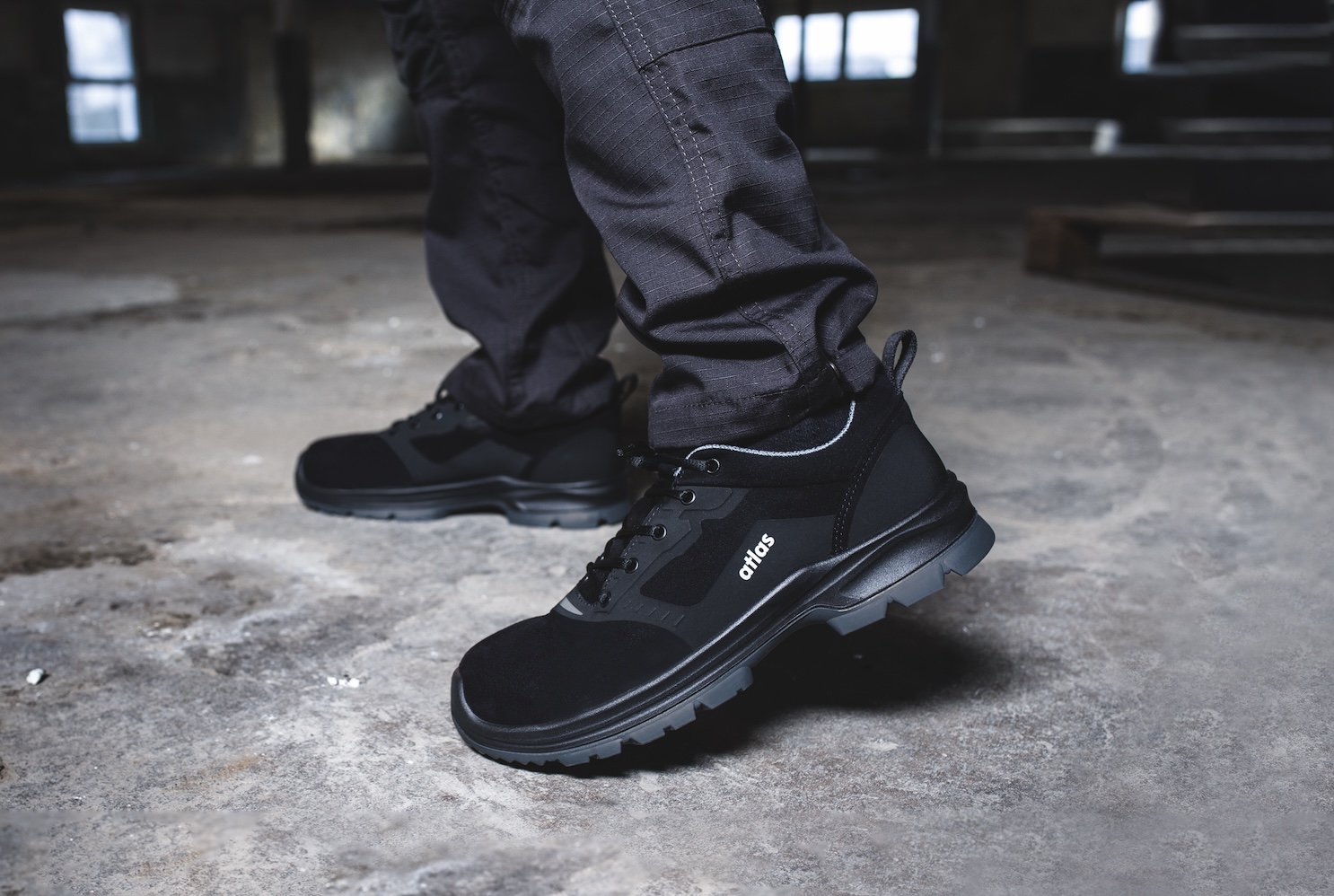
Upper materials – A second skin
Mesh and fabric:
- Weight: 180–220 g/m²
- Maximum breathability
- Quick-drying
- Used in: FLASH series, SL series
SportLine fabric:
- Synthetic microfibre
- Can be treated to be water-repellent
- Easy to care for and durable
- Found in: RUNNER series, CX series
SOFT nubuck leather:
- Premium cowhide leather
- Soft and supple
- Breathable
- Premium option: ERGO-MED series
EXTRAGUARD® material:
- Extreme abrasion resistance
- 3 times more durable than standard materials
- Water-repellent
- Exclusive to: XT Series
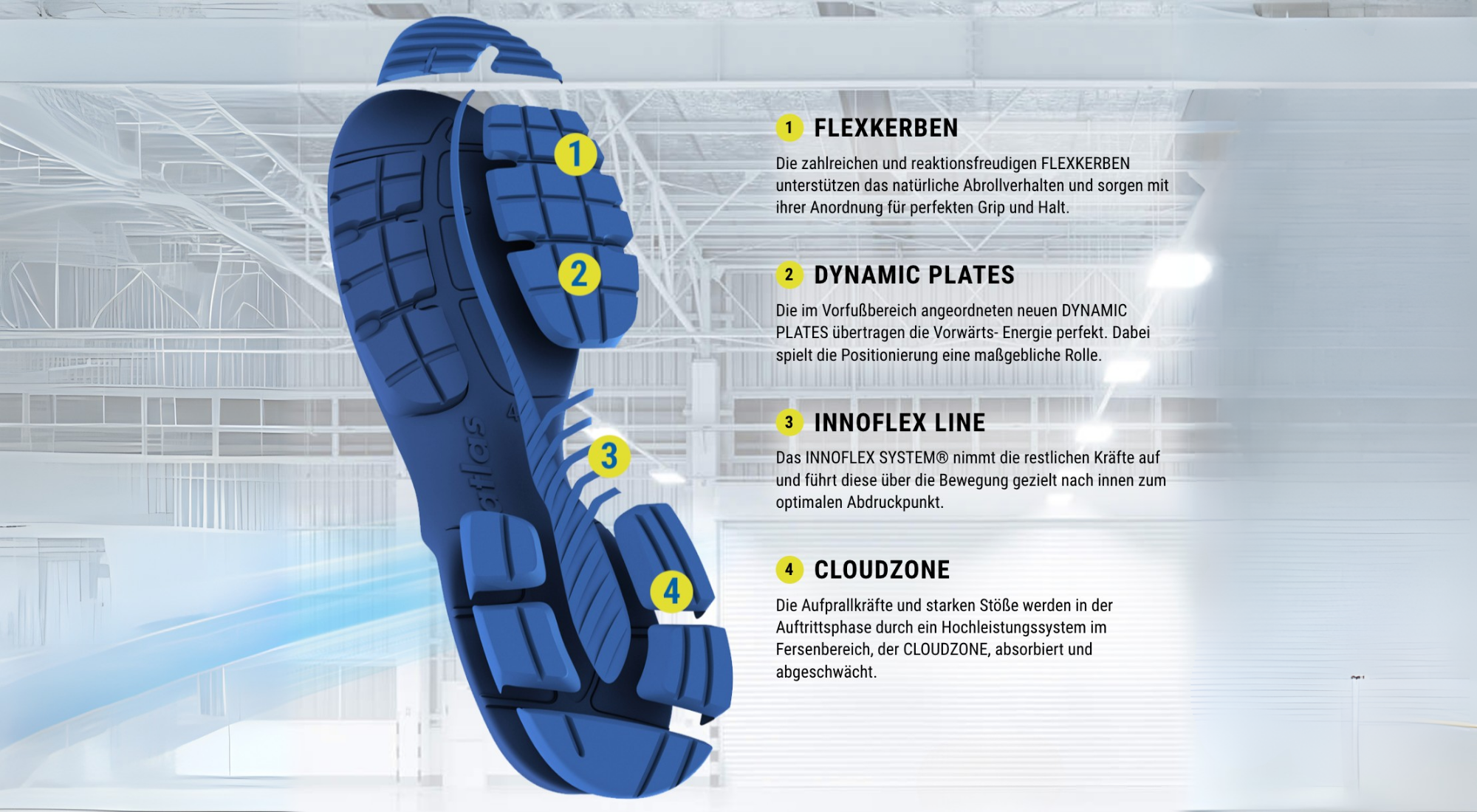
Sole technologies
XP technology:
- Point-elastic cushioning
- Reduces fatigue by up to 40%
- Gentle on the joints
- Featured in almost all ATLAS models
MPU sole (Micro-PU):
- 30% lighter than PU
- Excellent cushioning
- SRC slip resistance
- Temperature-resistant from -20°C to +120°C
VIBRAM® sole:
- Premium rubber compound
- Extreme slip resistance
- Durability
- In selected specialist models
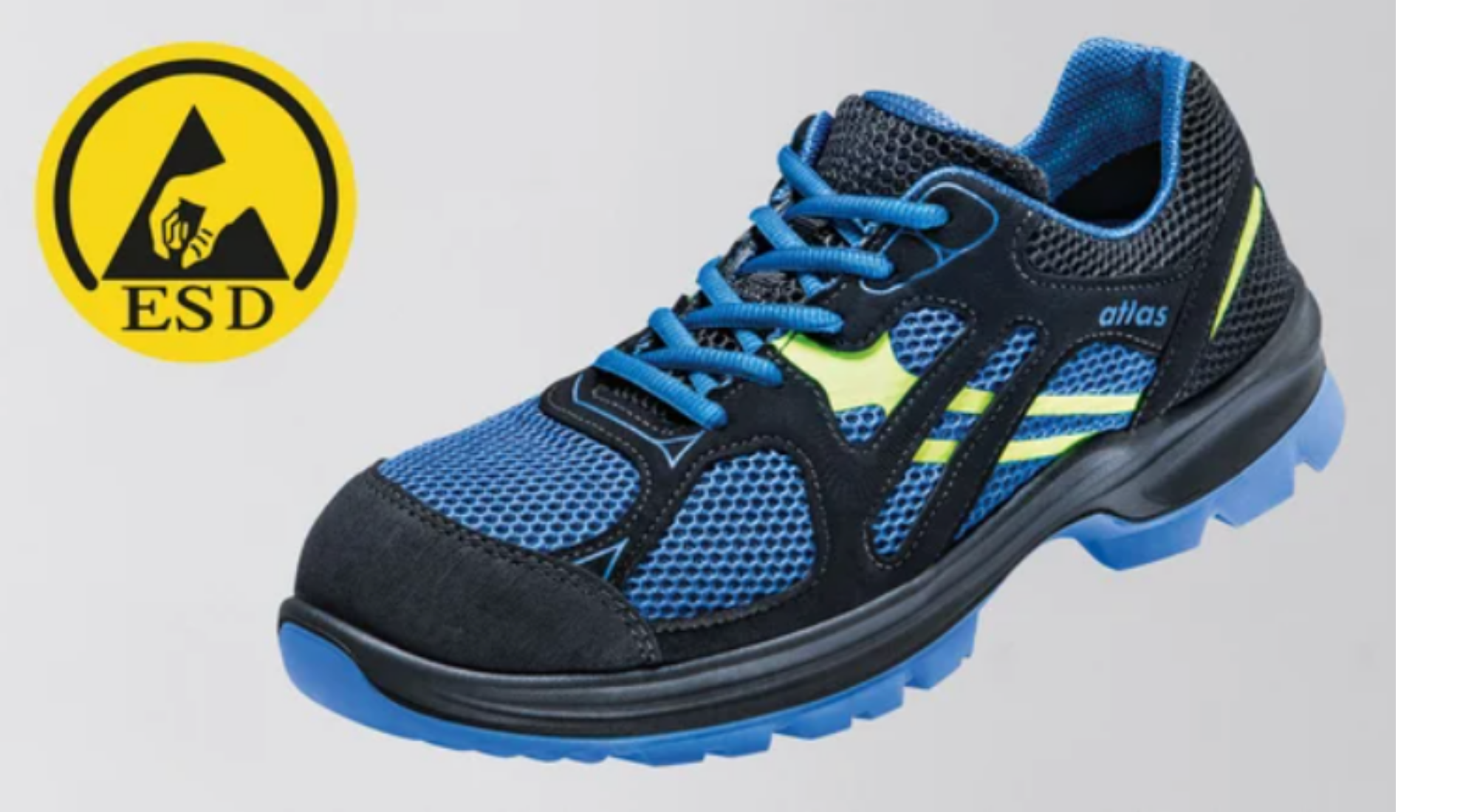
ESD equipment – Essential in the electronics industry
What does ESD stand for?
- Electrostatic Discharge
- Discharge resistance between 100 kΩ and 35 MΩ
- Protection of sensitive electronics
- Personal protection against static charge
Areas of application:
- Electronics manufacturing
- Server rooms
- Paint shops
- Explosion-proof areas
ATLAS ESD guarantee:
- All low-top shoes are ESD-compliant as standard
- Regular quality control
- Certified to EN 61340-5-1
Special features for specific requirements
MONOSOCK technology
The principle:
- Seamless inner boot
- Sock-like fit
- No pressure points
- 360° comfort
Benefits:
- Feels like walking barefoot, yet with protection
- Ideal for long periods of wear
- Reduced blistering
- Available in: RUNNER series
clima-stream® concept
3-zone climate system:
- Footbed: Moisture-wicking
- Upper material: Breathable
- Sole: Air circulation
Result:
- 35% less foot perspiration
- Dry feet even after 8 hours
- Reduced odour
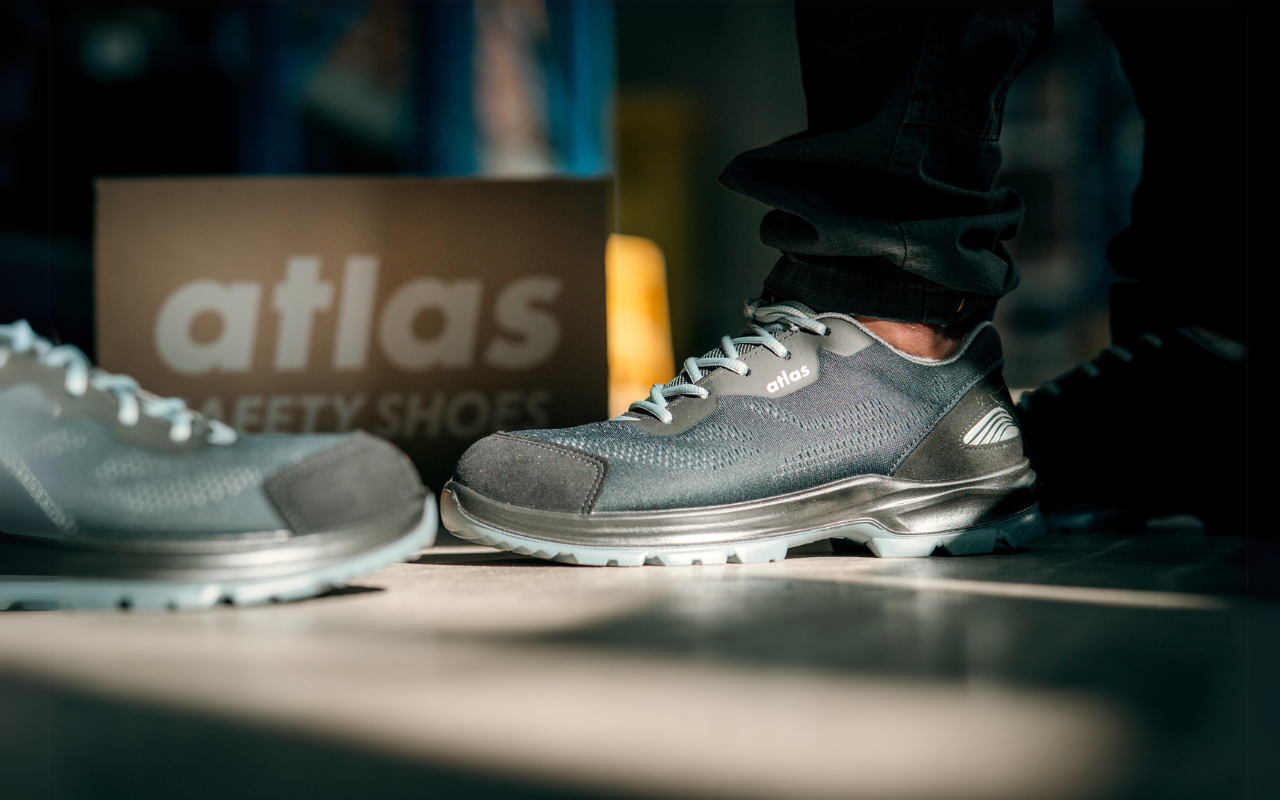
Care and maintenance for maximum service life
Daily skincare routine
After each wear:
- Brush off any coarse dirt
- Remove the insoles
- Let the shoes air out
- Do not dry directly on a radiator
Deep cleaning
Mesh/textile:
- Specialist cleaner for sports shoes
- Use a soft brush
- Air-dry
Leather/faux leather:
- Leather cleaner and care products
- Apply grease regularly
- Reapply waterproofing
Weekly care routine
- Clean the upper with a damp cloth
- Check the soles for wear
- Check the fastenings
- Reapply waterproofing
Extend the service life
Use interchangeable soles:
- Two pairs to rotate
- 24-hour rest period
- Doubles the lifespan
Replacement criteria
- Cracks in the upper material
- Tread depth less than 3 mm
- Defective protective cap
- Diminished cushioning
- Worn-through sole
- Defective puncture resistance
- Loss of antistatic properties
Off-season storage
- Clean thoroughly and dry
- Stuff with newspaper
- In a shoe box or cloth bag
- A dry, dark storage place
- Silica gel sachets to protect against moisture
Size guide: The perfect fit
Finding the right size
How to measure:
- Measure in the evening (feet are larger)
- Measure both feet
- Use the longer foot as a guide
- Add 10–15 mm to the foot length
ATLAS sizing system:
- Standard sizes: 36–48
- Large sizes: 49–52
- Widths: Standard (11), Wide (12, 13), Extra-wide (14)
Fit check
The thumb test:
- A thumb’s width of space in front of the toes
- Heel sits securely
- No slipping whilst walking
- No pressure points
Break-in period:
- Modern materials: 1–2 days
- Leather: 3–5 days
- BOA system: Perfectly adjustable straight away
Suitable for orthopaedic use
Compliant with DGUV 112-191:
- Space for orthopaedic insoles
- Replaceable footbed
- No impairment of the protective function
ATLAS Orthopaedic Range:
- ERGO-MED series: Specially developed
- Wide last shape
- Soft padding
- Suitable for diabetics
Range comparison: The ATLAS low-top shoe ranges

FLASH Series: The All-Rounder
Features:
- Sporty, modern design
- Wide range of sizes
- All safety classes available
- Best value for money
Featured models:
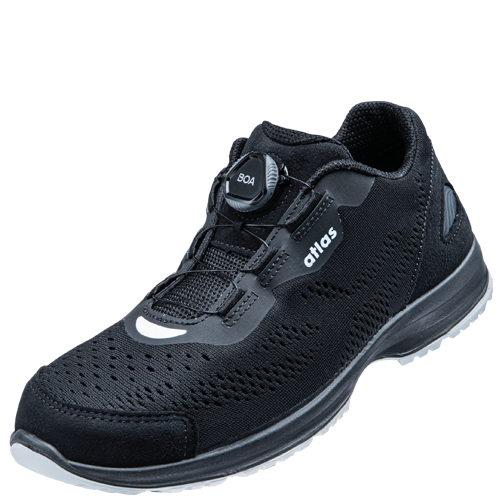
- FLASH 6405 BOA XP ESD S3: Best-seller with BOA
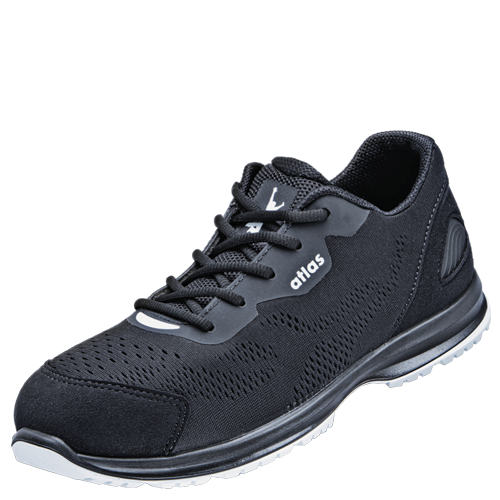
- FLASH 5405 XP ESD S3: A classic with laces
- FLASH 1005 XP ESD S1P: A favourite amongst beginners
Ideal for:
- General trades
- Varied areas of use
- Price-conscious buyers
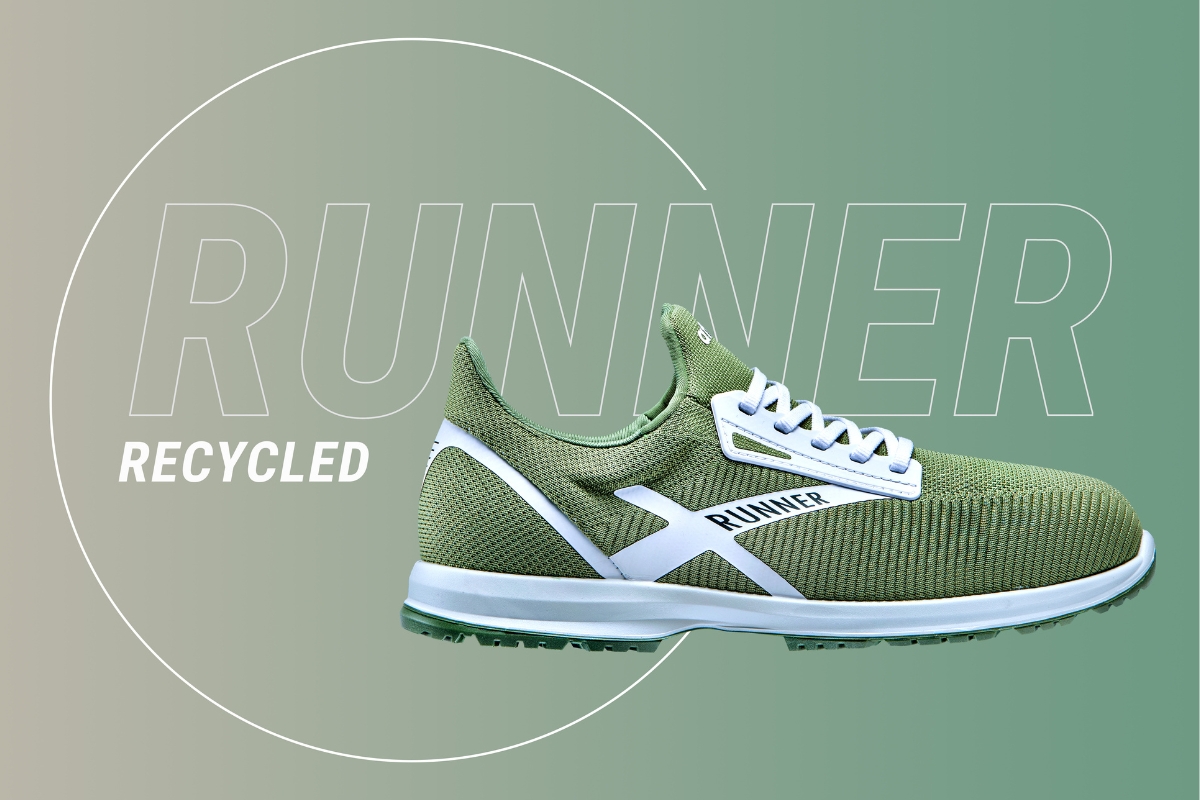
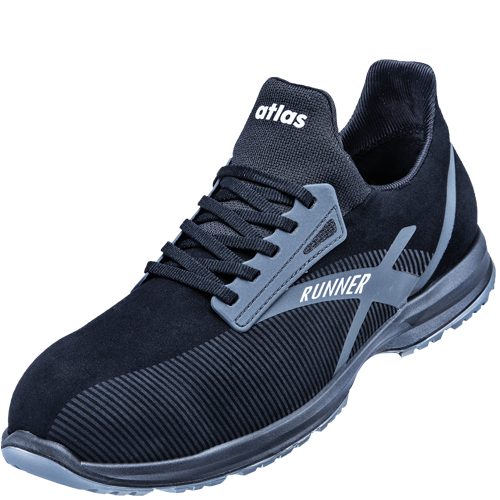
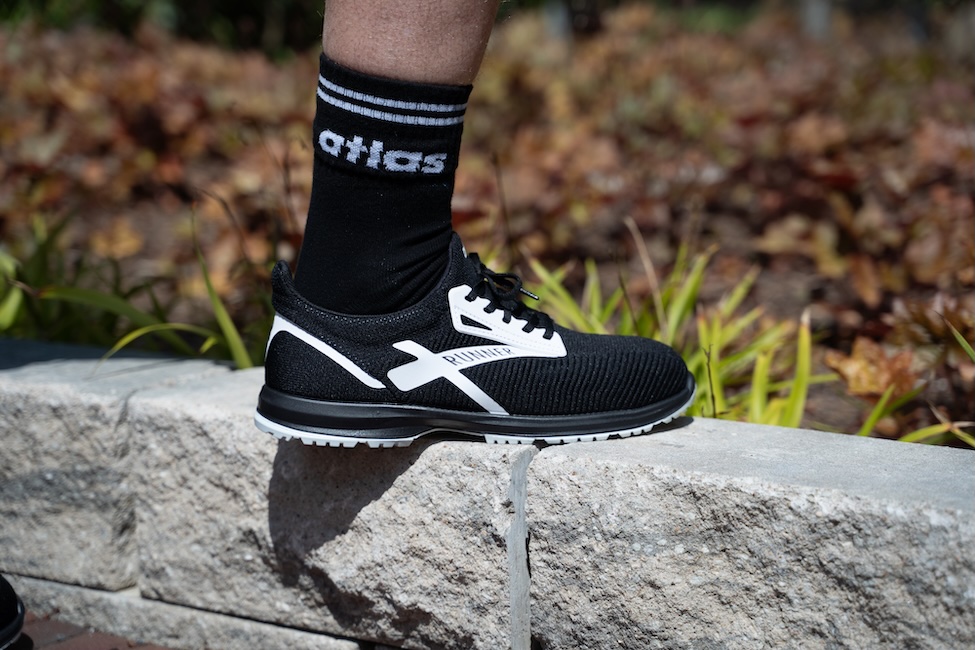
RUNNER series: The sporty one
Pure innovation:
- MONOSOCK technology
- Ultra-light (from 440g)
- Dynamic design
- Maximum flexibility
Top models:
- RUNNER 95 XP ESD S3: The best-seller
- RUNNER 25 XP ESD S1P: The ultra-lightweight champion
- RUNNER 955 XP BOA ESD S1P: High-tech version
Perfect for:
- Long walking distances
- Dynamic work
- Young teams
SL Series: The Comfortable One
Features:
- Wide fit
- Soft padding
- Understated design
- High level of comfort
Recommendations:
- SL 9645 XP BOA ESD S3: Premium comfort
- SL 205 XP ESD S1P: Everyday hero
- SL 605 XP ESD S3: Sturdy workhorse
Target audience:
- All-day wear
- Sensitive feet
- Priority on comfort

CX Series: The Classic
Features:
- Timeless design
- Robust construction
- Tried-and-tested technology
- Fair prices
Popular models:
- CX 325 ESD S3: The ever-popular choice
- CX 50 ESD S1: Lightweight and breathable
- CX 345 ESD S3: Sturdy and reliable
Applications:
- Traditional crafts
- Beginners
- Occasional users
Special series
- Specially designed for construction work
- Reinforced areas
- Robust materials
- Anti-torsion system
- Suitable for orthopaedic use
- Suitable for diabetics
- Extra-soft padding
- Wide last shape
- Aluminium toe cap
- 40% lighter than steel
- Available in a metal-free version
- Suitable for metal detectors
How can I find out my shoe size for Atlas safety shoes?
You can determine the right size for your Atlas safety shoes quickly and easily – either directly via the Atlas ‘Scan your Feet’ app or by measuring your feet manually. Both methods ensure that you find the perfect fit for maximum comfort and protection. You can find further information in our size guide.
How can I find out the width of my Atlas shoes?
The best way to determine the ideal width for your Atlas safety shoes is using the Mondopoint method. This internationally recognised measurement method takes into account not only the length but also the width of the foot to ensure the best possible fit.
To determine the correct width, the circumference of the foot is measured at the widest point of the ball of the foot. Based on these measurements, the appropriate shoe width can then be determined using the Mondopoint system.
WHEN MUST ESD SHOES BE WORN?
How long do safety low-top shoes last on average?
Can I use orthopaedic insoles in safety low-top shoes?
How does the BOA fastening system work?
Which safety class for which occupation?
S1/S1P: Warehousing, logistics, light assembly
S2: Kitchens, cleaning, food
S3: Construction, skilled trades, outdoor assembly, agriculture
The employers’ liability insurance association provides sector-specific recommendations.