
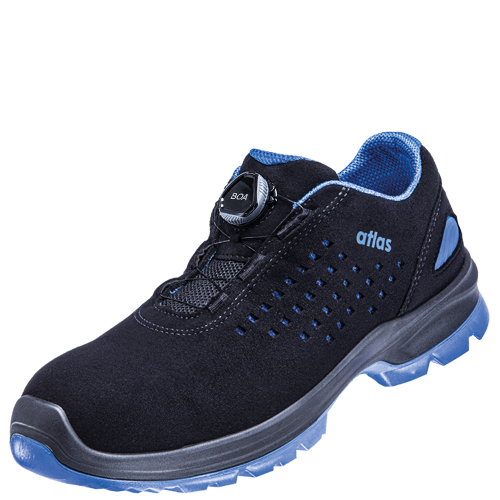
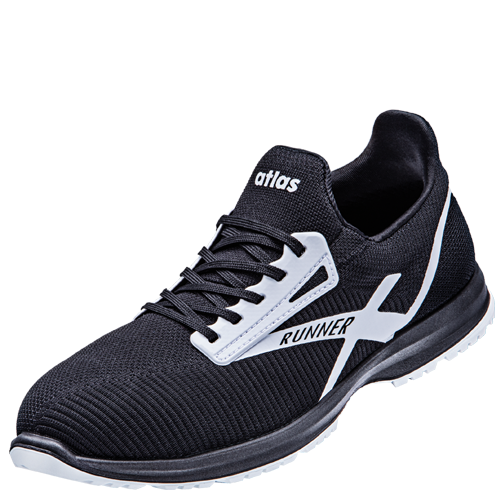
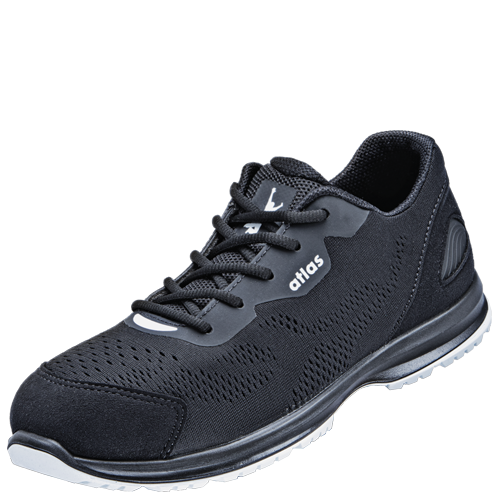

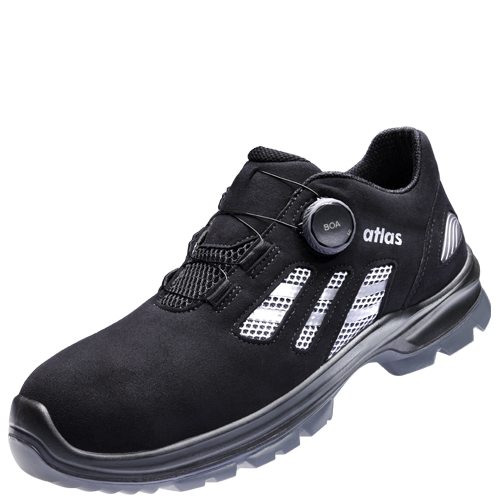
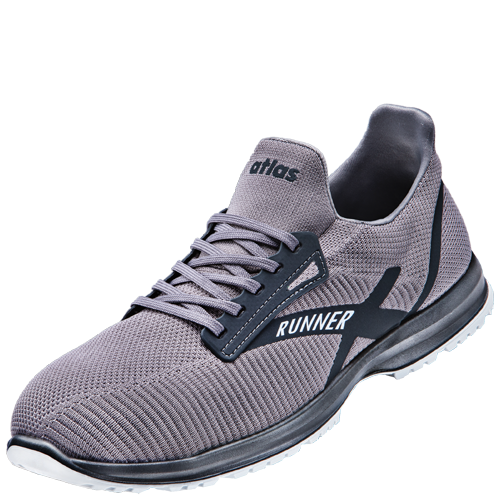

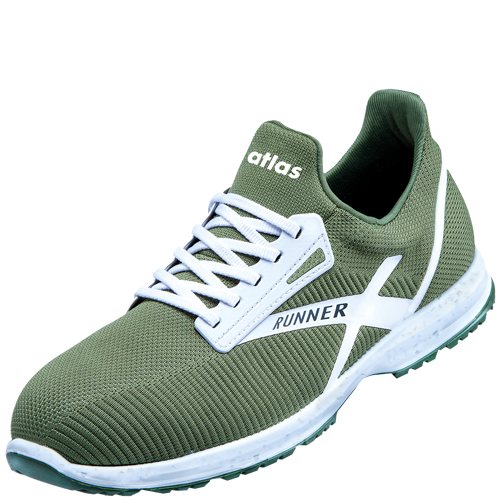


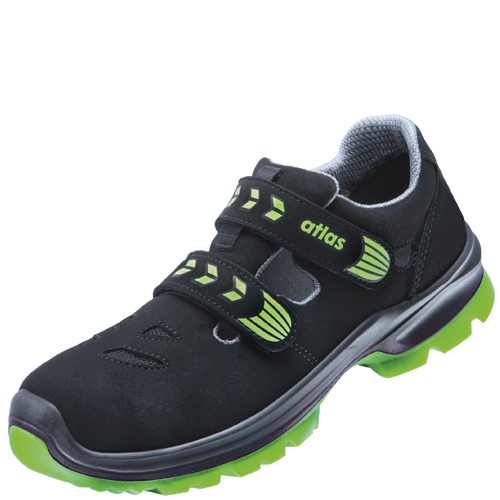
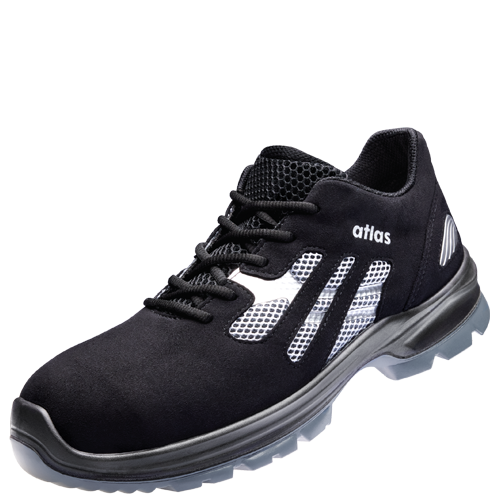

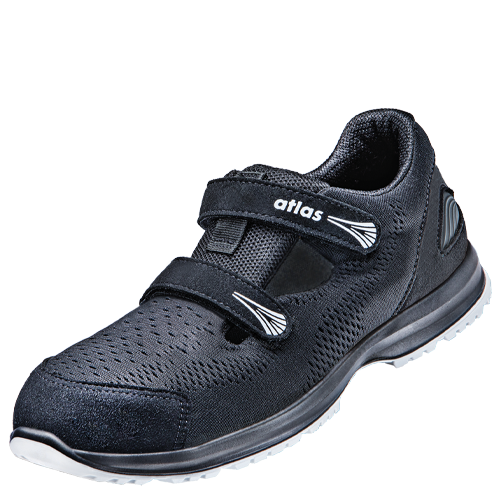
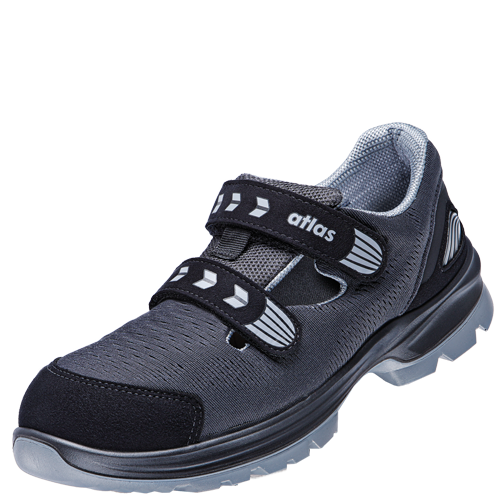
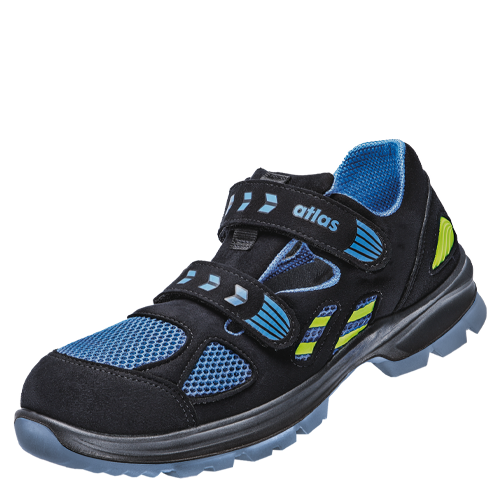
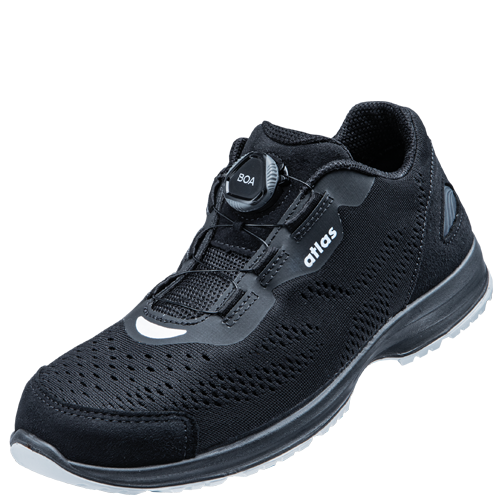

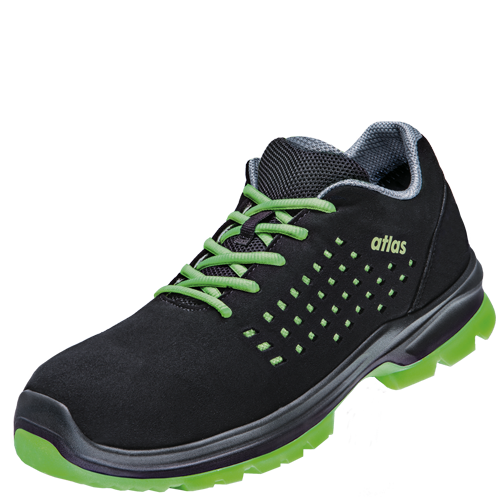
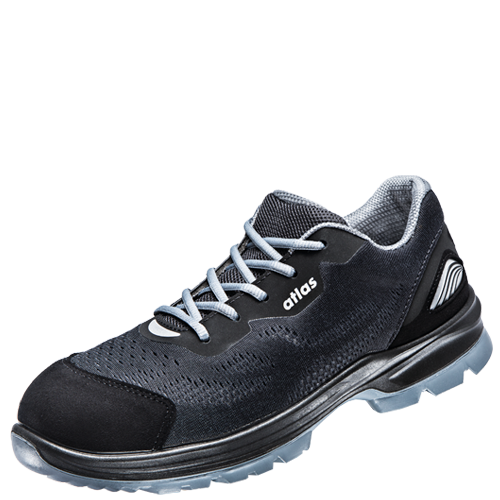
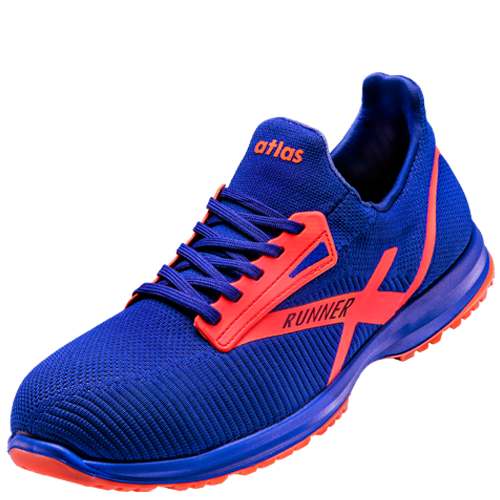
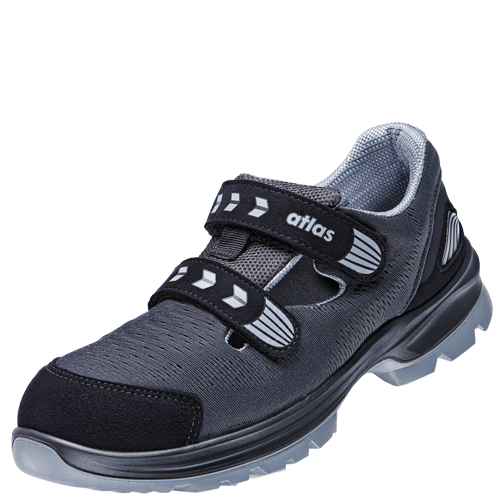
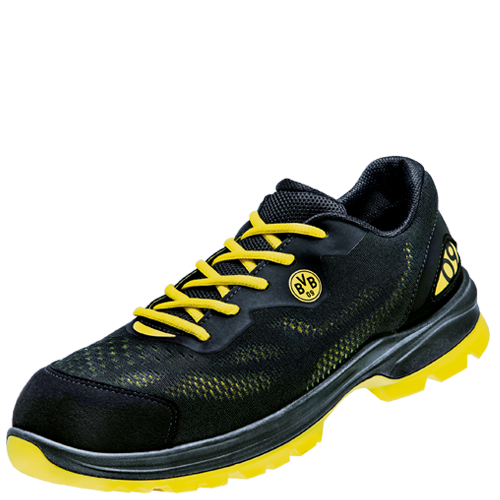


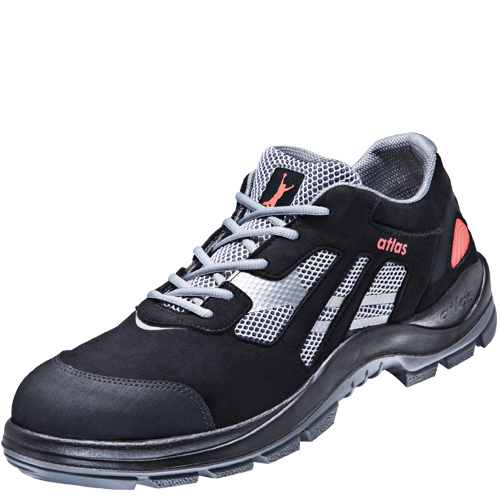


S1P, S1PL & S1PS SAFETY FOOTWEAR – PUNCTURE RESISTANCE RE-DEFINED
ATLAS S1-class safety footwear with puncture protection combines optimum occupational safety with modern design and exceptional comfort. With the EN ISO 20345:2022 standard, this protection has become even more precise: you can now choose between classic steel and state-of-the-art textile solutions that are tailored precisely to your specific working environment.

Overview: The tried-and-tested S1 range
All models in this category feature the basic protective characteristics of the S1 class:
- Robust toe cap: Reliable protection against impacts of up to 200 joules
- Closed heel area: For maximum stability within the shoe Antistatic properties (A): Protection against electrostatic build-up.
- Energy absorption in the heel area (E): Optimal cushioning to relieve strain on joints and the back.
- Fuel resistance (FO): Resistance to oils and petrol (now an optional additional feature).
Puncture protection: P, PL or PS?
The different classifications specify exactly how the midsole protects against sharp objects. Find out here which option is the right choice for your needs:
1. S1P – The tried-and-tested classic (steel)
The ‘P’ stands for traditional steel puncture protection. The steel midsole is extremely durable and forms a physical barrier that won’t give way, even when faced with extremely sharp objects.
- Features: Tried and tested, robust, though slightly heavier and less flexible than textile variants.
- Recommendation: Ideal for harsh working environments where large nails or metal splinters are a daily occurrence (e.g. structural work, carpentry or heavy industry).
2. S1PL – Metal-free & Flexible (textile, 4.5 mm test)
The ‘PL’ stands for ‘Perforation Large’. Here, a high-strength textile fabric ensures safety. This sole is tested with a test nail 4.5 mm in diameter.
- Features: 100% metal-free, thermally insulating (no cold bridges), very light and flexible for natural movement.
- Recommendation: Perfect for tradespeople who spend a lot of time kneeling or on the move. Ideal for interior fitting, drywall construction, logistics and areas with metal detectors (e.g. airports).
3. S1PS – Highest level of textile protection (textile, 3.0 mm test)
‘PS’ stands for ‘Perforation Small’. This is the most advanced form of textile protection. The sole is tested using a significantly thinner nail (just 3.0 mm in diameter). As a thinner nail concentrates the pressure more intensely, the material must be even more resistant in this test.
- Features: Offers all the advantages of textile (lightweight, flexible), whilst also withstanding finer, pointed objects.
- Recommendation: The first choice for high-tech workplaces and assembly areas where fine metal pins, thin nails or splinters pose a risk (e.g. electrical engineering, car repair workshops or precision engineering).

Who are S1P safety shoes suitable for?
S1P safety shoes are the perfect solution for anyone who works in dry indoor environments and values lightness and breathability without compromising on protection. Unlike Class S3 footwear, S1P shoes do not feature waterproofing, but still offer the essential combination of a toe cap and a puncture-resistant sole.
This makes them the ideal choice for:
- Warehouses and logistics: Perfect for walking long distances on hard warehouse floors.
- Drywall and interior fit-out: Where protection against sharp objects (such as screws or nails) on the floor is important.
- Car workshops: Protection against falling tools whilst maintaining a high degree of flexibility.
- Industrial assembly: Ideal for working on machinery in enclosed factory halls.
Do Atlas shoes tend to run small or large?
Compared to many sports shoes, Atlas safety shoes tend to run slightly larger for some customers, which means these customers need to go one size smaller in Atlas shoes. However, the most accurate and easiest way to determine the exact size of Atlas safety shoes is via the ‘Scan your Feet’ app or by measuring your feet. You can find further information in our size guide.
How can I find out my shoe size for Atlas safety shoes?
You can determine the right size for your Atlas safety shoes quickly and easily – either directly via the Atlas ‘Scan your Feet’ app or by measuring your feet manually. Both methods ensure that you find the perfect fit for maximum comfort and protection. You can find further information in our size guide.
How can I find out the width of my Atlas shoes?
The best way to determine the ideal width for your Atlas safety shoes is using the Mondopoint method. This internationally recognised measurement method takes into account not only the length but also the width of the foot to ensure the best possible fit.
To determine the correct width, the circumference of the foot is measured at the widest point of the ball of the foot. Based on these measurements, the appropriate shoe width can then be determined using the Mondopoint system.