

S2 safety footwear – The perfect protection for wet and dry working conditions
S2 safety footwear is the ideal choice for work environments where protection, comfort and water resistance are paramount. It offers comprehensive protection against injuries and keeps your feet dry even in damp conditions. With their combination of high-quality materials, innovative technologies and an ergonomic design, S2 boots ensure both safety and comfort – throughout the working day.
Overview of S2 features:
- Toe cap
- Closed heel area
- Antistatic properties (A)
- Energy absorption in the heel area (E)
- Fuel-resistant sole (FO)
- Puncture-resistant midsole (P)
- Water-repellent upper (WRU)
Which sectors are S2 safety shoes suitable for?
Safety class S2 has been specially developed for work environments where protection is required against both mechanical hazards and moisture. These shoes are particularly suitable for:
- Logistics and warehouse work: protection against heavy loads and slippery floors.
- Skilled trades and the construction industry: Ideal for work where splash water or moisture may be present.
- Food industry: Water-repellent properties and slip-resistant soles are essential here.
- Hospitality and catering: Perfect for kitchens and other areas with damp floors.
- Light industry: For working environments where protection against moisture and mechanical hazards is required.
S2 safety footwear: the perfect combination of protection and comfort
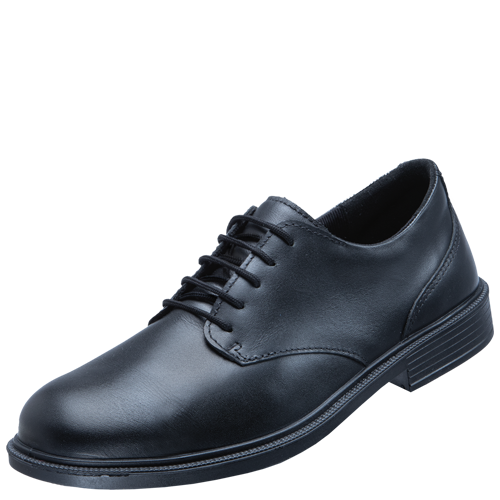
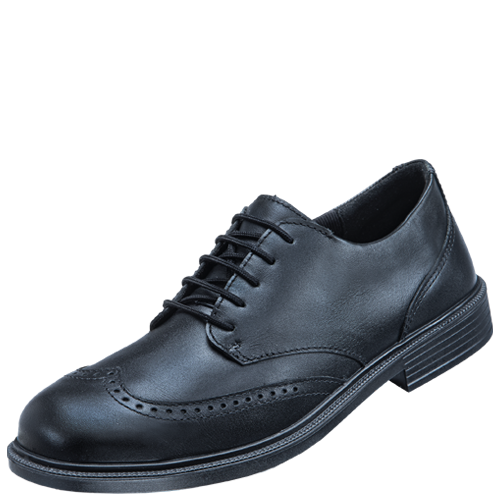
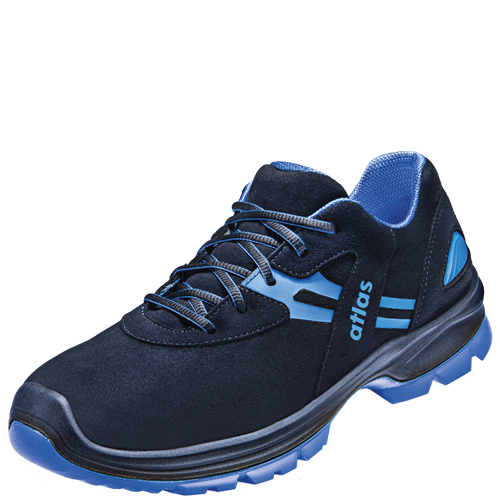
Class S2 safety footwear not only offers protection but also a high level of comfort. Thanks to modern technologies such as shock-absorbing soles and breathable materials, they remain comfortable even when worn for many hours. The water-repellent properties ensure your feet stay dry without compromising breathability. Furthermore, S2 shoes are available in a variety of designs – from classic styles to modern, sporty versions. This means you can be sure that your shoes are not only functional but also visually appealing.
Why choose S2 safety footwear from ATLAS?
ATLAS stands for the highest quality and innovative technologies in the manufacture of safety footwear. Our S2 models combine protection, comfort and modern design to meet the requirements of a wide range of work environments. With a focus on durability and ergonomics, our shoes offer:
High-quality materials: For maximum safety and a long service life.
Innovative technologies: Such as the ATLAS clima-stream® concept for an optimal foot climate.
A perfect fit: Ergonomically shaped for a comfortable feel.
Made in Germany: Quality you can rely on.
Conclusion: Class S2 safety footwear – your reliable companion
Class S2 safety footwear is the perfect choice for anyone working in damp or slightly wet environments. It offers comprehensive protection, is durable and comfortable at the same time. With its combination of water-repellent properties, robust materials and modern design, it is the ideal companion for every working day.
WHEN MUST ESD SHOES BE WORN?
WHAT IS THE DIFFERENCE BETWEEN SAFETY FOOTWEAR AND WORK FOOTWEAR?
Which insoles are permitted in safety footwear?
Which safety class for which occupation?
S1/S1P: Warehousing, logistics, light assembly
S2: Kitchens, cleaning, food
S3: Construction, skilled trades, outdoor assembly, agriculture
The employers’ liability insurance association provides sector-specific recommendations.