

How to protect yourself from the heat this summer:
Our top tips and advice
As temperatures rise and summer is in full swing, it has never been more important to protect yourself from the heat, particularly at work. Heat and UV radiation are real occupational hazards on construction sites. Heat exhaustion and heatstroke are medical emergencies that can develop rapidly, particularly during physical work in direct sunlight or in poorly ventilated indoor spaces. Outdoor workers on building sites and in the logistics sector are most at risk, but people in warehouses, factories and offices can also be affected when temperatures soar.
With the right habits, the appropriate equipment and a little care, these risks are very manageable. Here are our top tips for your protection, as well as some recommendations from our experts on the right equipment to ensure you can work safely and comfortably throughout the season.
1. Drink plenty of fluids
It sounds simple, but staying well-hydrated is your first line of defence against heat-related illnesses. The key point is this: drink before you feel thirsty. Once you start to feel thirsty, your body is already on the way to becoming dehydrated.
For most adults, daily water requirements range from 1.8 to 2.5 litres, depending on body weight and the amount of sweat produced. This figure increases in hot weather or during physical activity. Instead of drinking large amounts all at once, it is advisable to drink small amounts regularly throughout the day. Mineral water, herbal and fruit teas, and diluted fruit juices help to replenish the electrolytes and minerals lost through sweating.
Practical tips for different work environments:
Construction and outdoor sites: Ensure that cool water is always available on site, and make drinking a regular part of every break.
Warehouses and logistics: Set up water stations at regular intervals along your route and do not wait until you reach the break room.
Factories: Be particularly vigilant near heat-generating machinery, where the ambient temperature can be significantly higher.
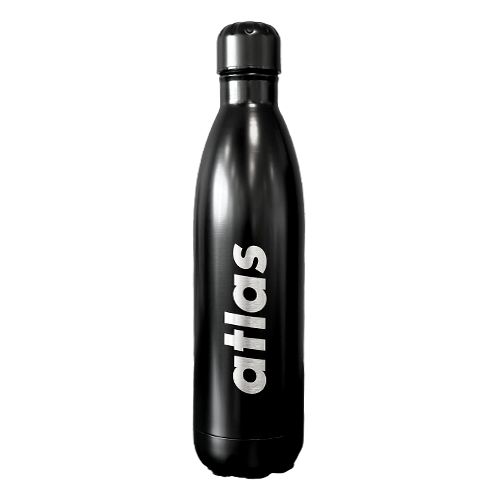
Offices: Air conditioning can contribute to dehydration without you realising it. Keep a water bottle on your desk and top it up regularly.
2. Wear the right clothing and footwear
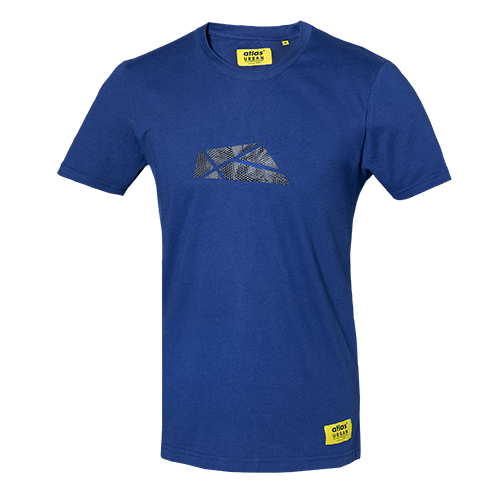
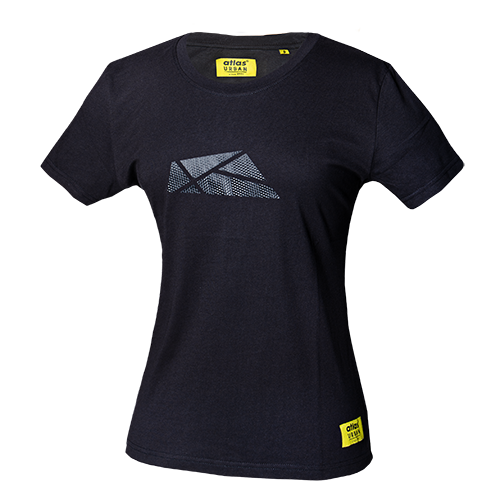
What you wear plays an important role when temperatures rise. Opt for light-coloured, breathable, loose-fitting and sweat-wicking clothing to prevent heat build-up and keep your body cool. Avoid dark colours and synthetic fabrics, which trap heat.
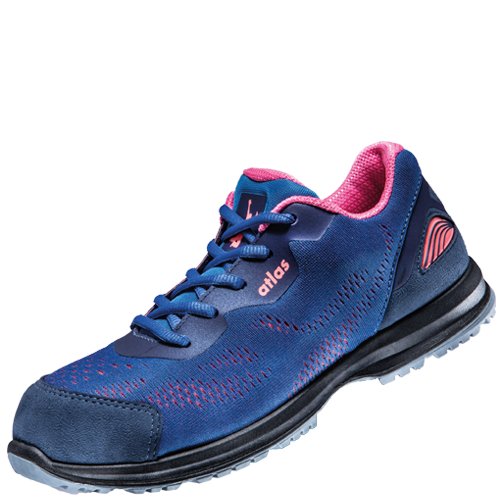
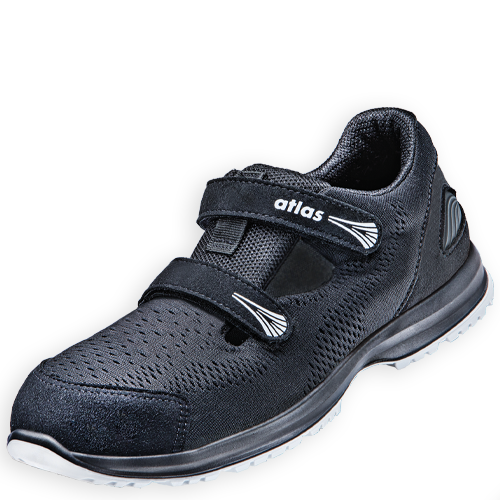
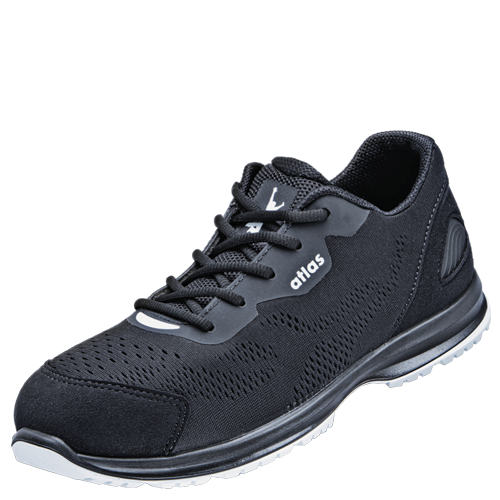
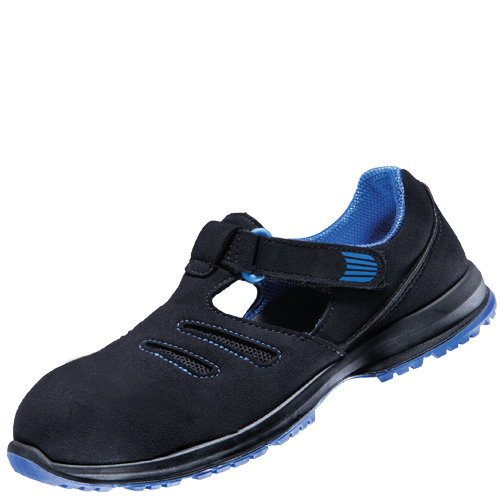
The same principles apply to footwear. Hot and sweaty feet are not only uncomfortable, but can also lead to blisters, fatigue and reduced concentration, which poses a serious safety risk in a workplace environment. Whenever possible, opt for lightweight safety shoes or styles with thermoregulating linings, such as our aktiv-X functional lining, to keep your feet dry and comfortable all day long.
Our footwear recommendations
Whether on a building site, in a warehouse or in a more urban working environment: we have the right model for every situation. All shoes are fitted with the aktiv-X functional lining for superior temperature regulation, as well as the clima-stream concept for active ventilation.
Men’s summer shoes:
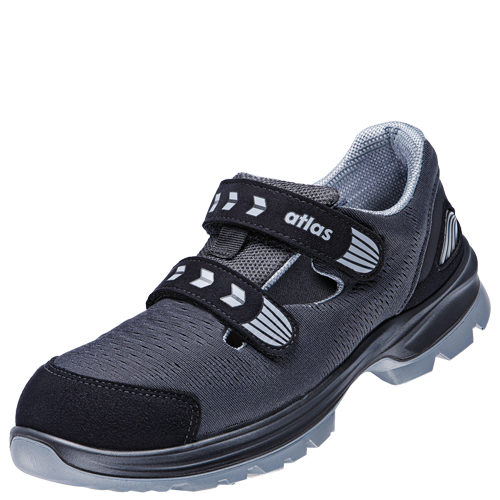
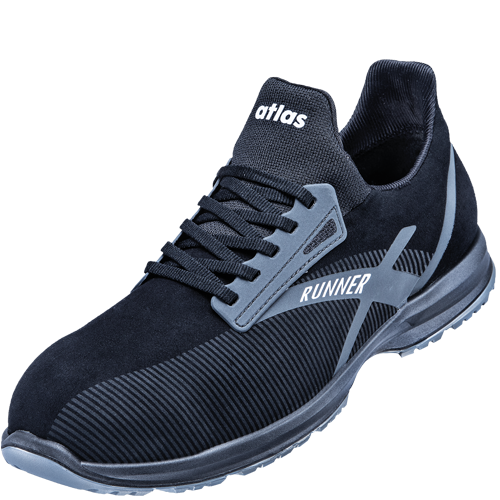
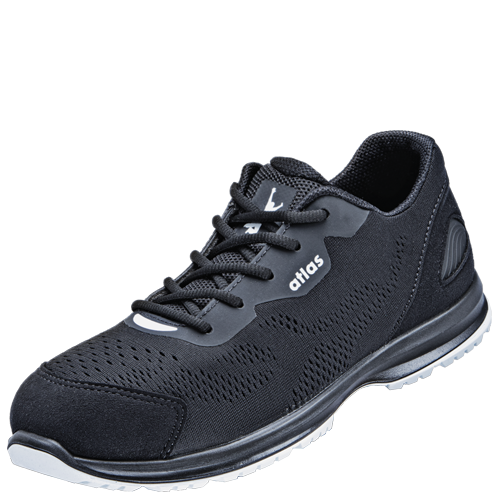

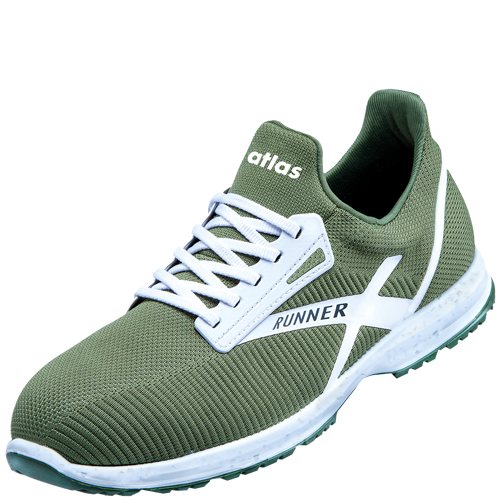

Women’s summer shoes:


3. Protect against UV radiation
Although sunburn heals, the damage it causes accumulates over time. Every instance of sun exposure increases the risk of developing skin cancer. For workers outdoors – particularly on building sites, in landscaping or in open-air logistics areas – UV radiation is one of the most frequently underestimated occupational risks. Sun protection is therefore not just a matter of personal health, but an essential part of health and safety at work.
Here’s how you can protect yourself:
- Cover up: Wear clothing that covers as much of your body as possible. Long sleeves made of a lightweight, breathable fabric offer significantly more protection than bare arms in direct sunlight.
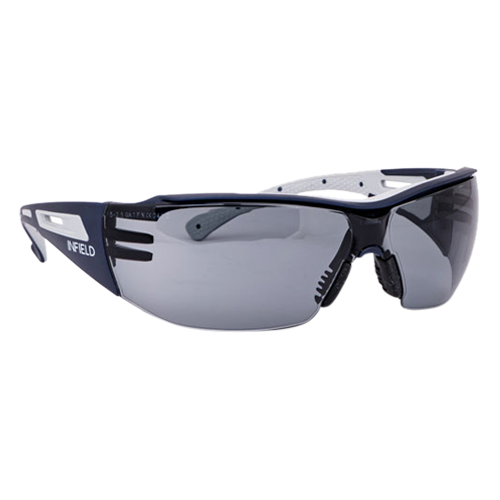
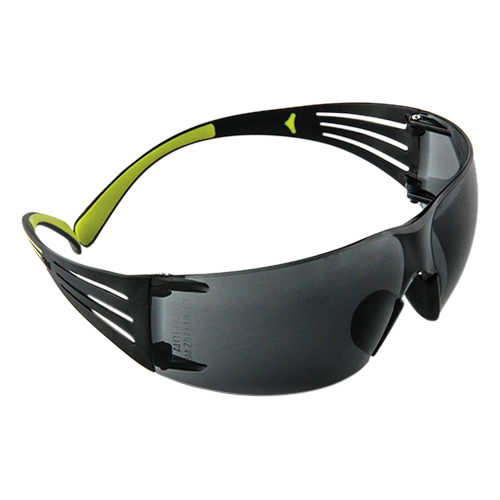
- Wear sunglasses: Protect your eyes from harmful UV radiation, especially when working at height or near reflective surfaces.
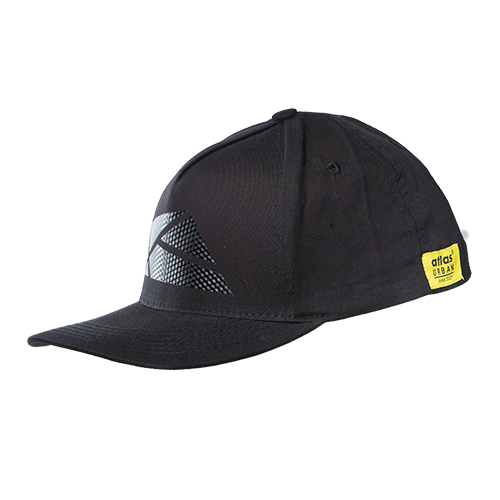
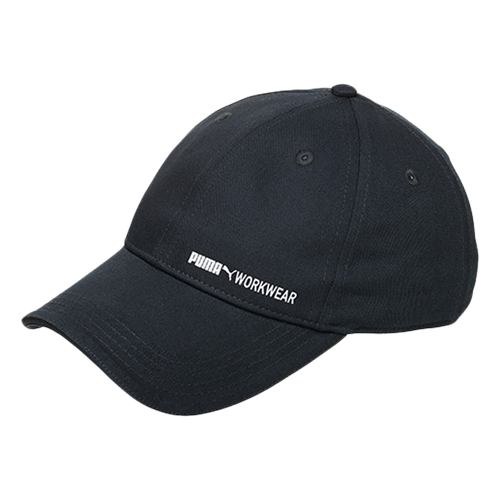
- Wear head protection: A wide-brimmed hat or a safety helmet with a sun visor offers the best protection for your face, neck and ears.
- Use sun cream: Apply sun cream with a high sun protection factor (SPF 30 or higher) to all exposed skin, particularly if you are working in a T-shirt and shorts. Reapply it every two hours, or more frequently if you are sweating heavily.
- Be aware of peak UV radiation times: UV radiation is at its strongest between 11 am and 3 pm. Where possible, schedule outdoor work outside these times.


4. Keep an eye on your surroundings
Heat not only affects your well-being, but can also pose a serious health risk if you’re not careful. A few sensible adjustments to your work routine can make a big difference, whatever your working environment.
- Shift strenuous tasks to the cooler times of day. Where possible, schedule physically demanding work for the early morning hours, before temperatures reach their peak. This is particularly important on construction sites and in outdoor logistics.
- Take shorter breaks in the shade more frequently, rather than one or two long breaks. This allows your body to regulate its temperature more effectively and prevents heat build-up.
- Be aware of the danger thresholds. At temperatures of 30 to 35 °C and above, the risk of heat exhaustion becomes very real. Watch out for warning signs such as dizziness, nausea, heavy sweating, a rapid heartbeat and weakness, both in yourself and in your colleagues.
- Improve ventilation wherever possible. In factories and warehouses, ensure that fans, ventilation systems and open doors and windows are used to their full potential. Even a slight breeze makes a significant difference.
- Look out for one another. Heat-related illnesses can develop quickly and impair judgement before the person affected even realises it. Foster a workplace culture in which colleagues look out for one another during heatwaves.